

We’ve all had that quiet moment: hearing a song from high school, walking past a childhood home, flipping through old photos, and feeling something shift inside. That rush of memory isn’t just sentimental—it’s physiological. Emerging research in neuroscience reveals that when we dwell in the past, our brain actually activates circuits tied to memory, reward, identity and emotion-regulation. More than a wistful escape, nostalgia appears to restore a sense of continuity and emotional stability when the present feels unsteady.
The Trigger of Time Travel

That flicker of familiarity—a scent, a song, a glance at an old playground—can send us spiralling into the past. In neuroscience terms, these sensory cues activate autobiographical memory networks, inviting us into “nostalgia mode.”
Researchers note that nostalgia is often triggered by a feeling of something missing: social disconnectedness, transition, or instability. In this way nostalgia becomes a psychological strategy: the brain saying “Here’s something familiar—let’s anchor there.”
Brain Maps of Nostalgia
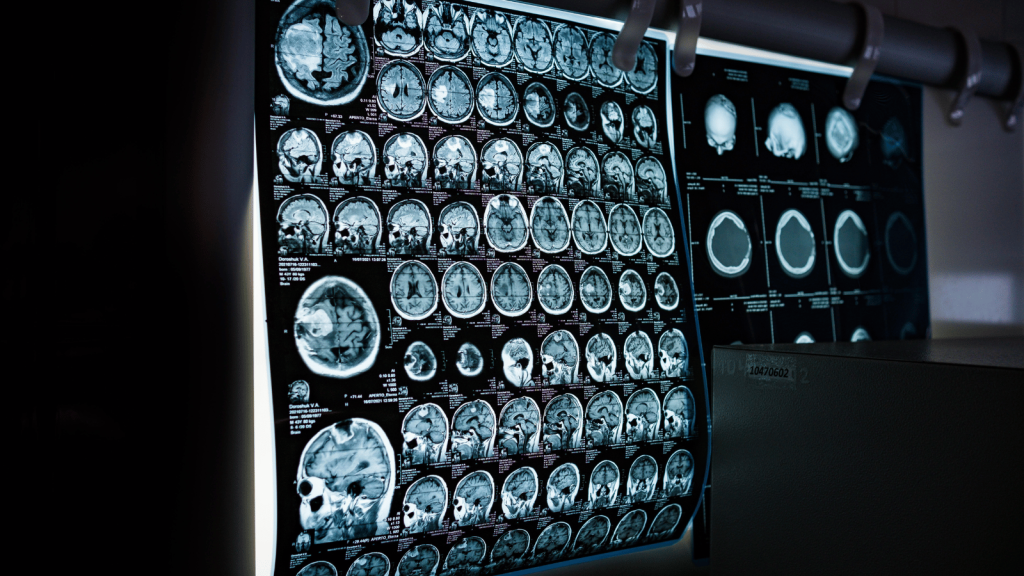
Neuroimaging shows that nostalgia lights up specific brain regions: the hippocampus (memory), ventral striatum and substantia nigra (reward), prefrontal areas (self-reflection) and insula (interoceptive feeling). These overlapping networks suggest nostalgia isn’t just “remembering”; it combines remembering + feeling rewarded + sense of self. It’s a full brain event.
The Self-Continuity Effect

One of the most powerful upsides: nostalgia helps us feel like the same person as yesterday and tomorrow. Studies show people who more often indulge in nostalgic reflection report stronger self-continuity and a coherent sense of identity. When life feels chaotic, linking past, present and future through memory gives a kind of psychological anchor.
Comfort Under Stress

When the present is uncertain—job change, relationship friction, global events—nostalgia emerges as a built-in emotional reboot. Research finds that recalling positive past experiences can reduce stress markers, boost mood and restore resilience. In other words, the brain’s comfort system is activated via memory of what used to feel safe.
Reward Doesn’t Always Mean Escape

Because nostalgia taps reward circuits, some worry it could become escapism or even addictive. One commentary warns that if used exclusively as avoidance, it may substitute living in the present. But when balanced, nostalgia serves as a healthy, adaptive tool—not just a retreat.
The Bittersweet Curve

Nostalgia isn’t purely sweet. Newer studies reveal nostalgic memories evolve: they may start positive but over time accumulate layers of wistfulness, regret or longing. Yet the net effect remains positive: vivid self-identity, meaning, connection. The bittersweet is part of the comfort mechanism—acknowledging what was lost and that life still moves.
Memory Reconstruction at Work
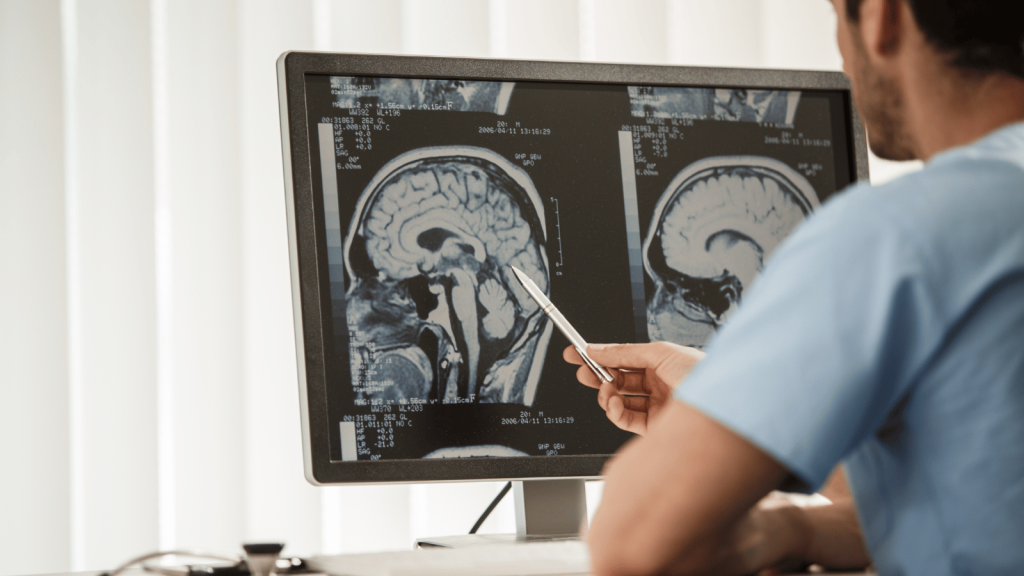
Memory isn’t a perfect playback; it’s reconstructive. Nostalgia biases our recollections toward positive, generalized versions of the past. That’s not a flaw—it may be a feature. By smoothing edges and focusing on emotional essence, the brain offers comfort rather than confusion.
From Isolation to Connection

Because nostalgia often involves social memories—shared youth, old friends, familiar places—it can strengthen connections. By remembering “we” instead of just “me,” it supports interpersonal bonds and a sense of belonging. This social dimension is one reason nostalgia often buffers loneliness.
Designing Nostalgic Environments

From a design perspective, environments that evoke the past—via texture, color, objects, scent—can deliberately trigger nostalgia and create emotional stability. This has implications for workplaces, homes, therapy spaces. It’s one way design meets neuroscience.
The Dark Side of Reliving Too Much
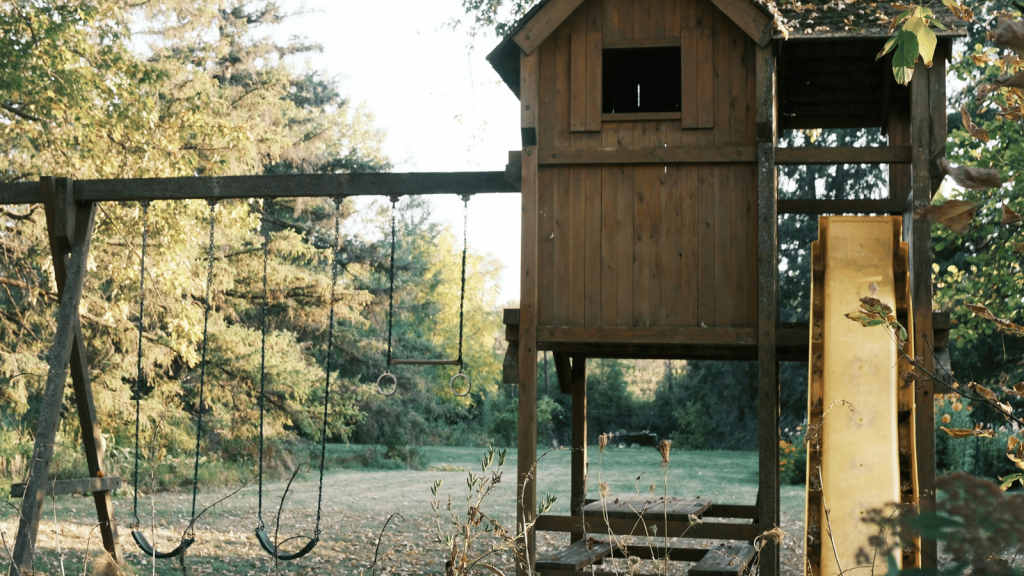
Of course, nostalgia can tip into regret or rumination if the past becomes a refuge instead of a resource. The challenge: when present discomfort is ignored and the past becomes the only safe place. Awareness helps keep nostalgia in the adaptive zone.
Nostalgia as Emotional Regulation

Nostalgia isn’t just about “feeling good” — it serves an emotion-regulation function. Studies find nostalgic recall reduces physiological stress (primarily cortisol), builds meaning, and raises self‐esteem. In effect, the brain uses memory as a tool to regulate emotion when present demands are high.
Memory Versus Reality: The Rosy Bias

We should also recognize that nostalgia carries a bias: the past often appears rosier than it was. This “rosy retrospection” may alter accuracy but adds emotional coherence. The trade-off: more comfort, perhaps less precision—but that may be the point.
The Evolving Neuro-Architecture of Nostalgia
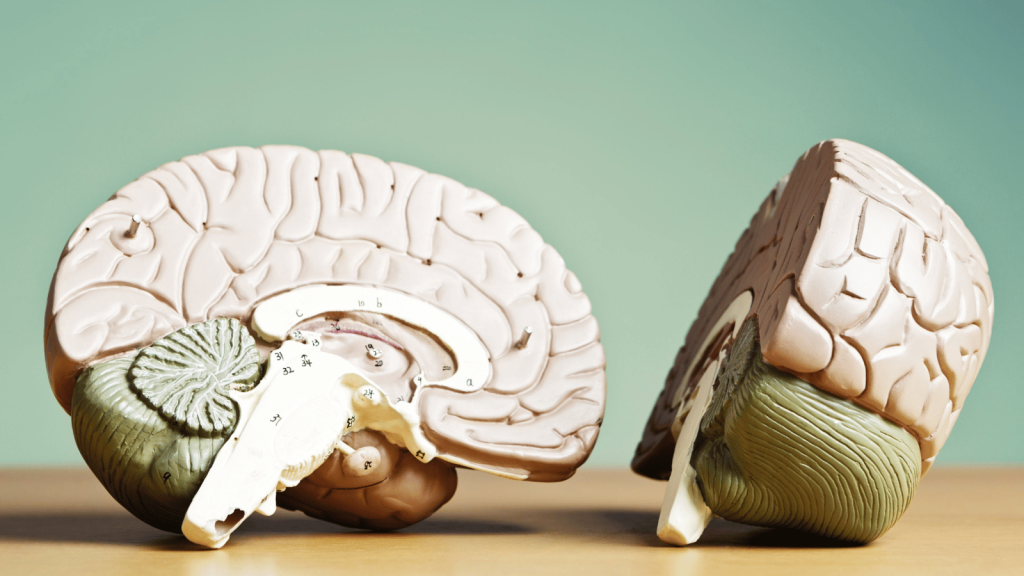
Recent research shows the thalamus acts as a key hub connecting sensory triggers to emotion and pain modulation during nostalgia. In other words: nostalgia is wired deeply and broadly. It’s not just memory, it’s circuit-level integration of feeling, self, and meaning.
Age, Culture, and Memory Layers

Nostalgia isn’t one‐size‐fits‐all. Age, culture and personal history shape how it’s triggered, felt, and used. Yet across demographics, it remains adaptive: older adults often use nostalgia to bolster memory vividness; younger people to navigate change.
When Designing for Comfort, Use Nostalgic Triggers

Designers, marketers and therapists all harness nostalgia—by bringing familiar forms, textures or sounds into new contexts. The science shows why it works: the brain rewards familiarity and coherence, giving us emotional ease.
Future Applications: Therapeutics & Well-Being

Because nostalgia activates reward and memory systems, it holds promise for therapeutic uses: mood regulation, memory disorders, healthy aging. The recent “brain-music interface” study is one example. It’s another way our understanding of nostalgia is shifting from poetic to practical.
Practical Everyday Use of Nostalgia

You don’t need a lab to use nostalgia. A few minutes flipping through old photos, listening to a song from your past, or revisiting a familiar place can activate these brain-comfort circuits. The key: intentionally open the memory, not escape into it.
Balancing Past and Present

The sweet spot: nostalgia that anchors but doesn’t immobilize. Use the past to support the present. When the memory lifts you into action or clarity, that’s adaptive. When it keeps you stuck in “what was,” the brain misses the present’s opportunities.
The Cultural Pulse of Nostalgia

We see it everywhere: retro fashion, rebooted movies, 90s soundtracks. That cultural wave reflects both collective longing and individual need. The neuroscience shows there’s more at play than trend: a communal search for emotional stability in fast-moving times.
Why Nostalgia Matters Right Now

In a world of constant change, fragmentation, and digital overload, nostalgia becomes a quiet refuge. Its value lies not in dwelling, but in grounding. The brain, it seems, knows this: memories of “what was” can stabilize “what is” and help us face “what might be.”


