

Perfect homes look great on Instagram. “Good enough” homes feel great to live in.
If your Pinterest board looks nothing like your actual apartment, you’re not alone. Perfectionism in home decor has become its own unpaid internship—one that never ends. But here’s the truth: satisfaction doesn’t come from the perfect gallery wall. It comes from finally deciding that what you already have… works. “Good enough” decor isn’t about lowering the bar (you still have taste). It’s about giving yourself permission to enjoy the home you live in, not the one you keep editing in your head.
The Perfect Room Is a Trap

Scroll long enough and you’ll start believing everyone else’s home is spotless and serene. (Spoiler: it’s not. Someone just moved the laundry pile out of frame.) Those magazine-perfect spaces are styled for photos, not for life. Psychologists say perfectionism actually lowers satisfaction because it creates an endless loop of “not quite there.” A “good enough” home lets you stop auditioning for an imaginary design show.
Too Many Choices = Zero Joy

Minimalism says “edit.” Perfectionism says “keep scrolling.” Between 700 shades of white and five kinds of “Scandi beige,” no wonder we’re all tired. Studies on decision fatigue show that more choice equals less happiness. Pick the lamp you like (and close the other twelve tabs).
Imperfect = Interesting

Wabi-sabi, the Japanese concept of beauty in imperfection, was basically invented for people who can’t hang a frame straight (hi). Cracked glaze, scuffed floors, a crooked photo—they’re what make a home memorable. Imperfection gives character. A little asymmetry tells a better story than spotless sameness ever will.
Minimalism, But Make It Real

Real minimalism isn’t a white cube with anxiety issues. It’s about breathing room—space for movement, light, and life. Studies show uncluttered rooms reduce stress, but “uncluttered” doesn’t mean empty. Keep what you love, lose what you don’t. (Yes, even if it’s that one random chair you never liked.)
Your Stuff Tells Your Story
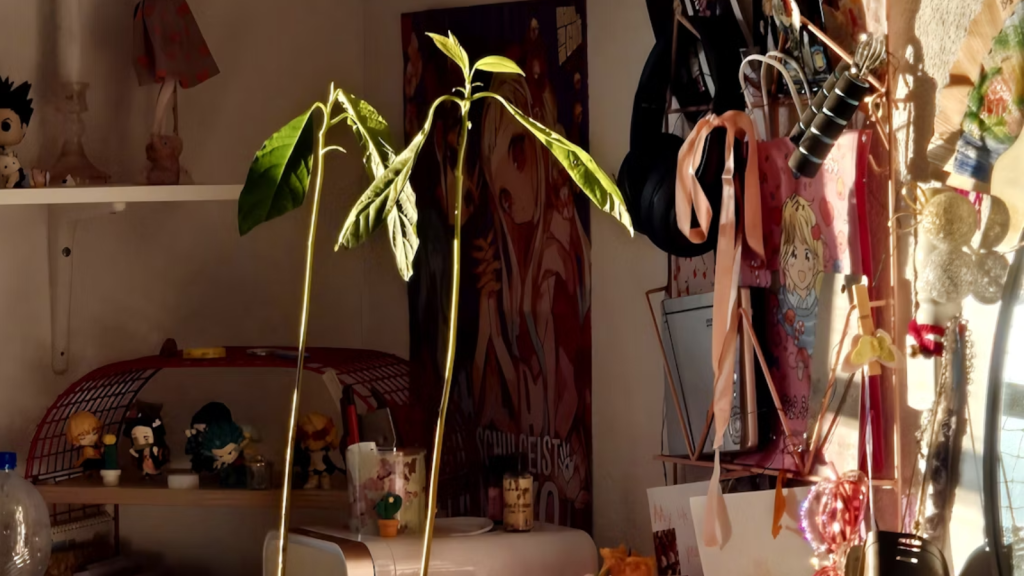
A perfect home can look like anyone’s; a “good enough” home looks like yours. Those mismatched mugs, thrift-store finds, and family photos are emotional architecture. Psychologists call it narrative identity—your environment reflecting who you are. (Translation: your clutter might actually be character development.)
Matchy-Matchy Is Overrated

Life isn’t color-coordinated. Why should your home be? Design studies show visual contrast keeps the brain more engaged. So if your favorite green chair doesn’t “go” with your rug, congratulations—you’re interesting.
Function First, Always

Here’s the real question: does it work for your actual life? A perfectly styled corner you never sit in isn’t doing its job. Functional comfort wins every time. (That’s why we all end up eating dinner on the couch eventually.)
Comfort Beats Crisp

Perfectionism loves sharp corners and wrinkle-free fabric. Real life prefers blankets, naps, and slightly lumpy pillows. Research shows soft textures literally calm the nervous system. In other words, your messy couch is doing emotional labor.
Clutter Isn’t the Enemy

Minimalism doesn’t have to mean living in a museum. A little clutter—books, half-burned candles, art supplies—signals life. Studies link mild mess to creativity and comfort. If everything’s spotless, who’s living there?
Big Makeovers, Tiny Payoffs

Major renovations sound life-changing, but research says happiness usually fades after a few weeks. (Sorry, HGTV.) Small, steady tweaks—a new lamp, fresh pillowcase, better lightbulb—actually build longer-term satisfaction. Less “Before & After,” more “Good enough for now.”
Control Freak Energy
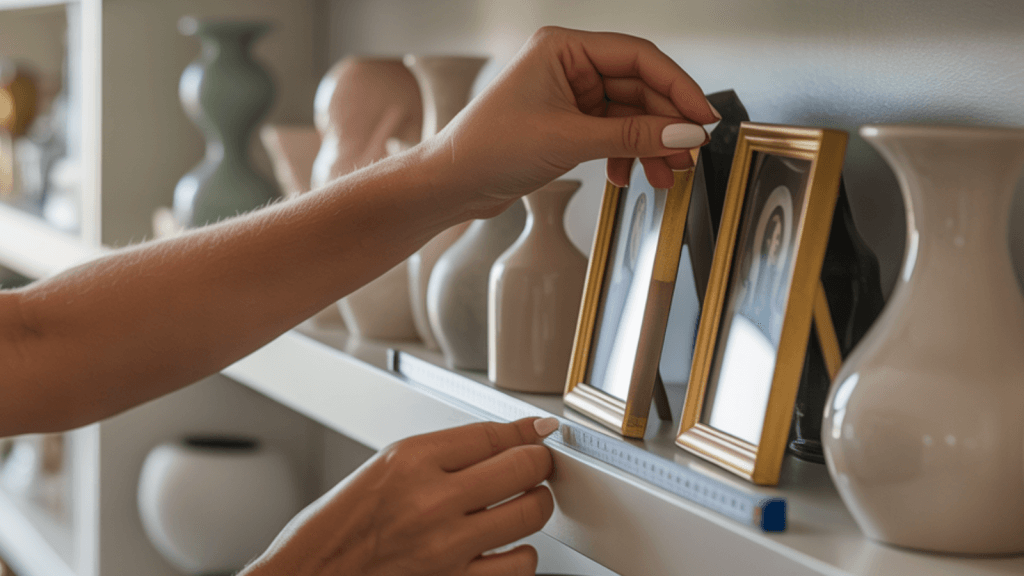
Perfectionism in decor often masks anxiety. The straighter the frames, the more we’re trying to hold it together. Homes are supposed to change. Let the couch be crooked. Let the bookshelf breathe. (You can’t style your way to peace.)
The Charm of Unfinished Projects

That unpainted corner isn’t a failure—it’s an open invitation. Progress feels better than completion anyway. (Besides, no one else notices that wall but you.) Homes, like people, are always a work in progress.
Design for the Five Senses

The best rooms don’t just look good—they feel good. Think scent, texture, sound, temperature. Science calls it multisensory design; you can call it cozy. Light the candle, open the window, play the playlist.
The Beauty of Background Noise

Real homes have soundtracks: sizzling pans, clinking mugs, maybe a podcast in the background. Perfection is quiet because it’s empty. (Also, nobody trusts a spotless kitchen.)
People > Perfection

No one ever said, “Wow, your baseboards are immaculate.” They remember how your home felt. Studies on belonging show that comfort creates connection faster than beauty does. So host the dinner, even if the floor’s not mopped.
The Cleaning Hangover

Ever deep-cleaned your place and then immediately been too tired to enjoy it? That’s aesthetic fatigue—a real thing. Over-polishing your home can make you less happy in it. (Also, dust comes back. Every time.)
The Joy of Familiar Things

Your favorite seat, that chipped mug, the rug that’s seen everything—they’re what make your space feel stable. Familiarity equals comfort, and comfort equals satisfaction. Trends change, but your old chair? That’s home.
Feelings, Not Filters

Design psychology says emotion matters more than aesthetics. Ask yourself: how do I want this room to feel? Peaceful? Energizing? Like Saturday morning? Then decorate for that, not for likes. (Mood > mood board.)
Call It Done

At some point, you have to stop adjusting the pillows and just sit down. Satisfaction isn’t found in the final touch—it’s in realizing you’re already there. “Good enough” is the finish line.


