

Caring for an animal has always felt meaningful, but research shows it reshapes our inner world in ways we rarely name. The routines, observations, and small acts of care we offer daily become patterns we eventually turn inward. Scientists studying empathy, emotion regulation, and attachment say that tending to animals doesn’t just soothe us. It changes us. Each point below highlights a different evidence-backed way this relationship helps us develop emotional intelligence, healthier habits, and a steadier sense of self.
1. Routine Builds Self-Regulation
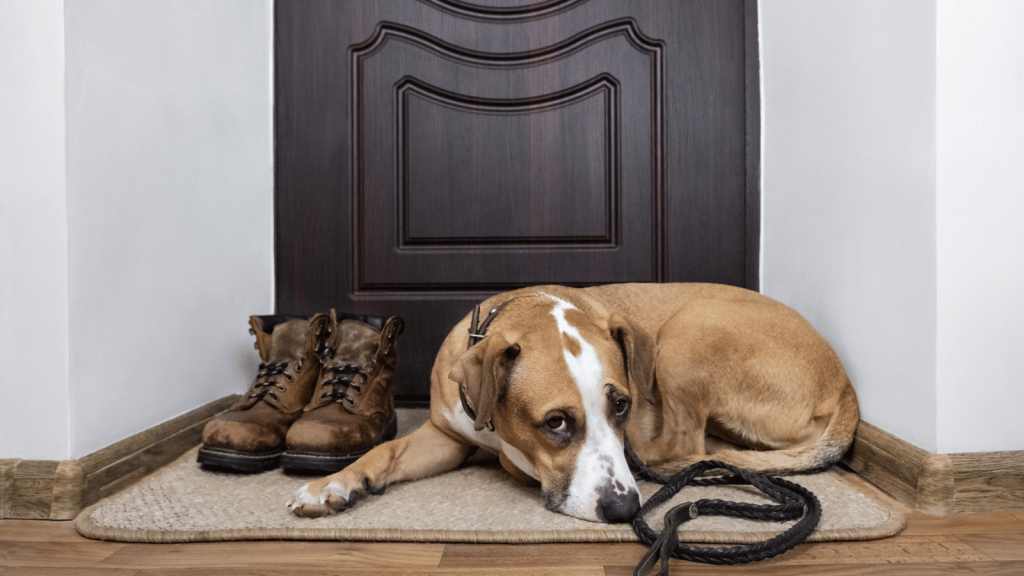
Pets pull you into a rhythm, even on days when you’d rather bail on your own plans. Feeding times, walks, and bedtime routines create a steady structure your brain starts to trust. And once you’re keeping those commitments for your animal, it gets easier to keep them for yourself.
Psychologists say this kind of external routine often becomes internal stability. Little by little, the responsibility you offer outward becomes the grounding you feel inside.
2. Empathy Deepens Through Daily Observation
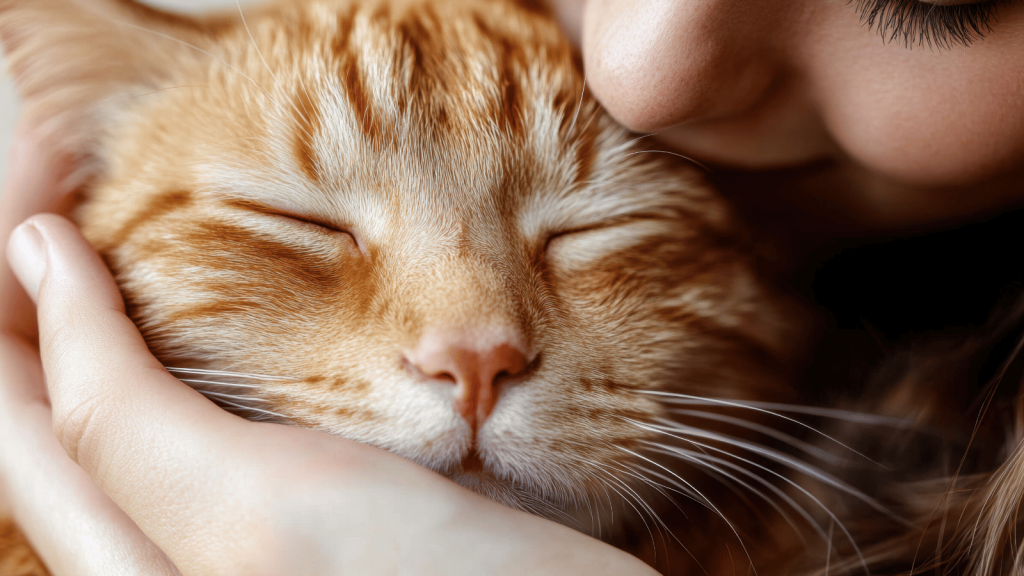
Animals don’t explain what they’re feeling — you learn by paying attention. Maybe it’s a weird pacing pattern, a softer meow, or the way a dog leans in differently when they’re anxious. Tuning into these tiny shifts strengthens empathy in a surprisingly natural way.
You get better at reading people too, and even better at recognizing your own early emotional signals. Paying attention becomes a habit, not a chore, and that habit softens everything.
3. Oxytocin Rises and Stress Levels Drop

Spending time with an animal literally changes your body chemistry. Studies show that petting or calmly sitting with a familiar animal lowers cortisol and boosts oxytocin — the hormone that makes you feel safe and connected. You can feel the difference almost immediately.
And when these calming moments happen day after day, your nervous system learns a new baseline: slower, steadier, and much easier to return to after stress hits.
4. Emotional Intelligence Strengthens Through Responsiveness

Animals constantly send signals about what they need — you just learn to read them better over time. Maybe they’re overstimulated, bored, nervous, or excited. Responding in a way that actually helps builds emotional intelligence, because you’re practicing quick interpretation without judgment.
This kind of responsive caregiving trains you to tune into people more thoughtfully too. You become better at noticing tone, mood, and timing, which makes your relationships smoother and your reactions more grounded.
5. Self-Compassion Improves Through Attachment
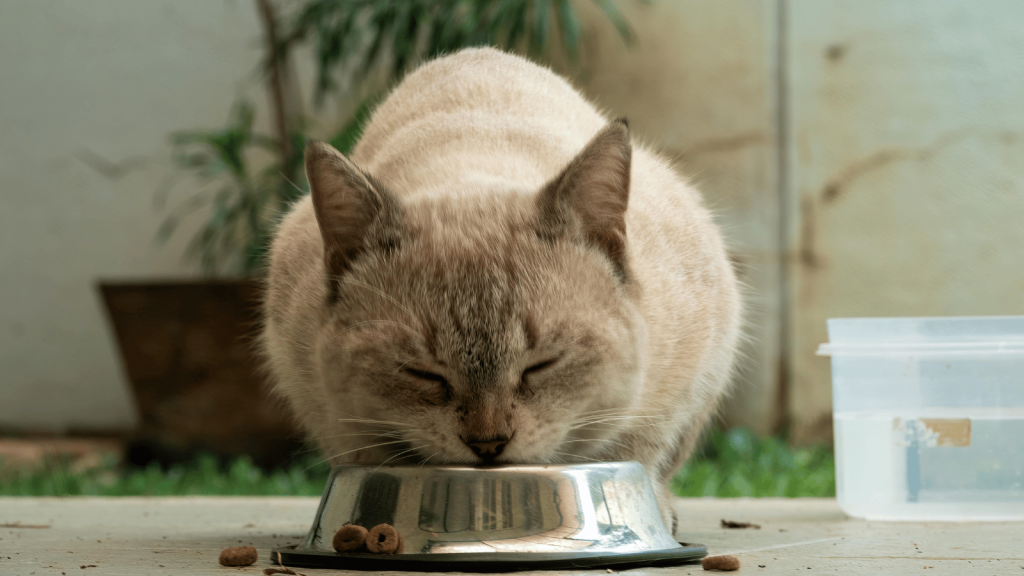
It’s weirdly easier to be gentle with an animal than with yourself. But caring for a pet often teaches you what real kindness looks like in action — patience, warmth, forgiveness, showing up even after bad days.
Over time, that softness starts turning inward. Studies show that people with strong pet bonds often develop higher self-compassion, mostly because they finally recognize what nurturing actually feels like. Loving your pet becomes a quiet rehearsal for loving yourself.
6. Caring Creates Purpose and Routine
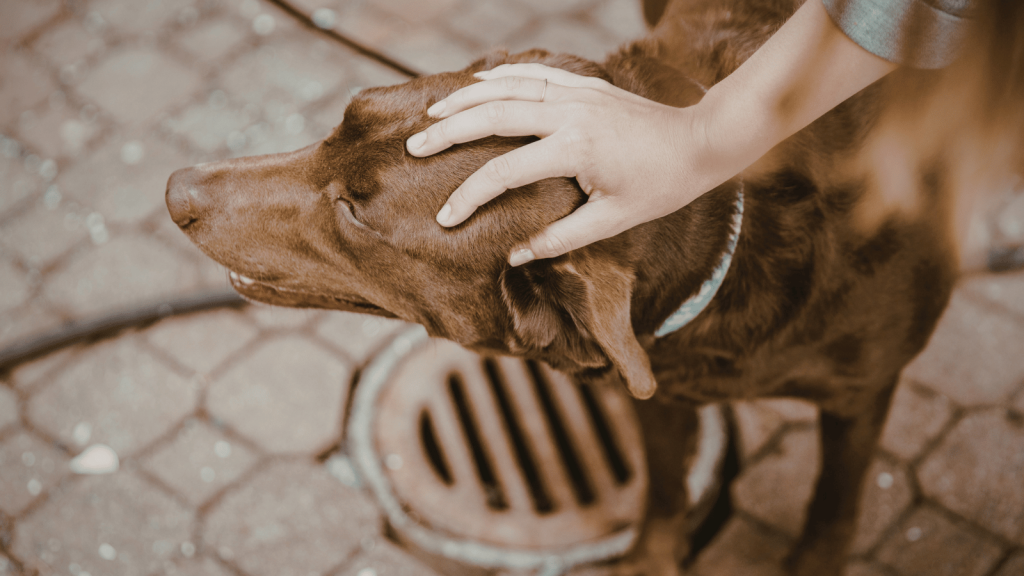
Even on chaotic days, your pet still needs you — and that sense of being needed can be incredibly grounding. Psychologists say having a purpose, even a simple daily one, boosts motivation and emotional resilience.
When you get up because someone depends on you, it can interrupt spirals and give your day shape. The meaning doesn’t have to be dramatic; sometimes just knowing you matter to one small creature is enough to change your whole mood.
7. Attention Training Heightens Mindfulness
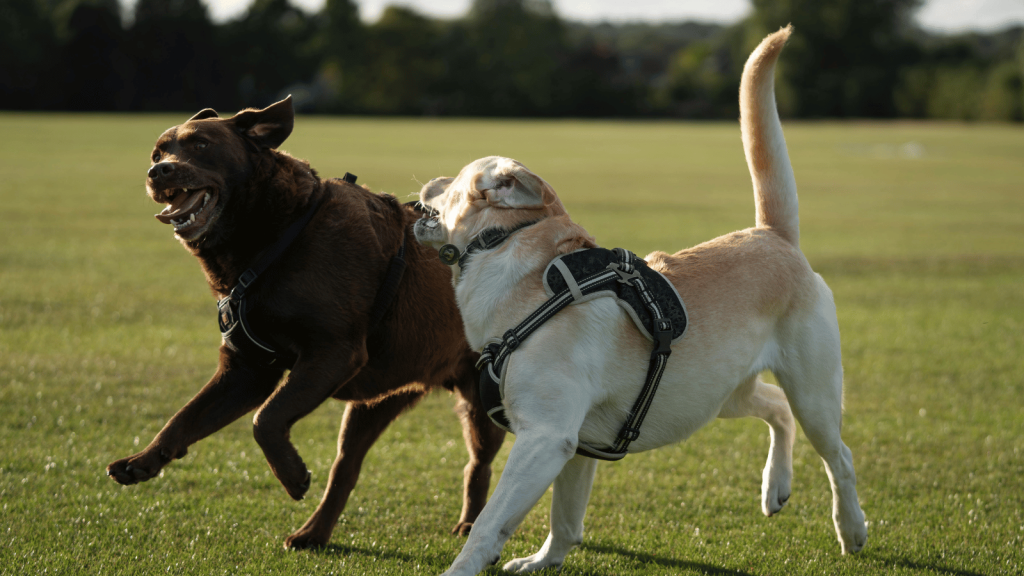
Animals move at their own pace, and paying attention to them pulls you into the present. Watching a dog sniff every inch of a tree or a cat settle into the perfect sunbeam slows your mind without effort.
These tiny moments mimic mindfulness practice — gentle, steady awareness. Over time, you start noticing your own surroundings with a bit more clarity too. Mindfulness stops feeling like a task and starts feeling like a natural way of looking.
8. Social Connection Expands Through Pet Communities
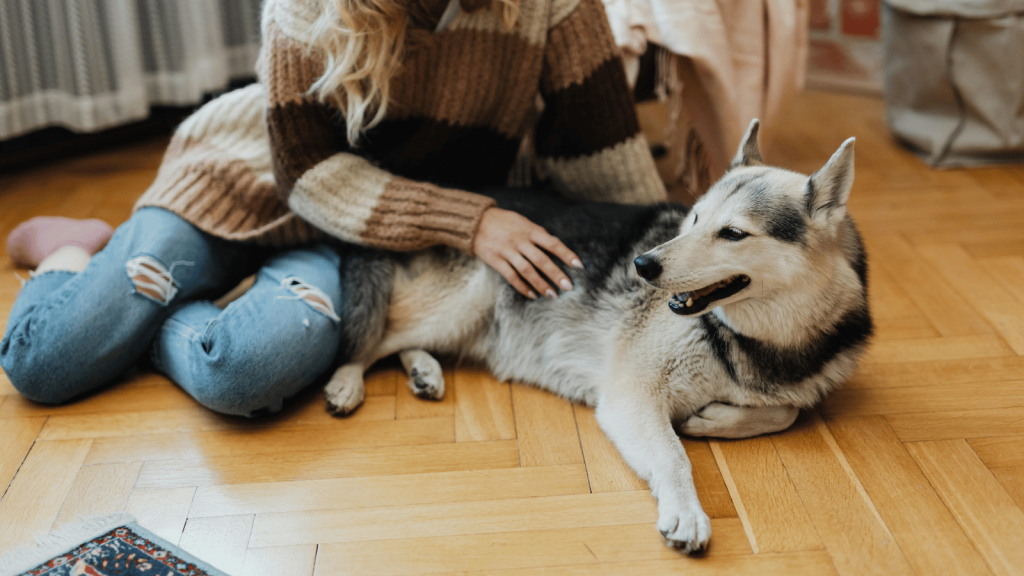
Pets quietly open doors to other people. You say hello to someone walking their dog, swap advice at the vet, or chat with another owner at the park.
These little interactions may feel tiny, but research shows they add up, building a sense of trust and community. Even if you’re not naturally social, your pet gives you an easy point of connection. It’s socializing without pressure — community that forms almost by accident.
9. Emotional Stability Improves Through Predictability

Animals thrive on predictable routines, and giving them that structure ends up stabilizing you too. Knowing when you’ll walk, feed, or settle them gives your day anchor points that don’t depend on mood.
Predictability helps your nervous system relax because part of your day is already decided. This steadiness makes big emotional swings less likely and helps you recover faster when stress shows up. Stability grows slowly, but animals keep you consistent enough to build it.
10. Caring for Animals Reduces Loneliness

Loneliness often comes from feeling unseen or disconnected. Pets help with both. They’re present, responsive, and genuinely affected by your moods and movements. Studies show that pet owners — especially those living alone — report lower levels of loneliness because that everyday companionship matters.
Even quiet moments, like working with your pet sleeping nearby, create a sense of togetherness. It’s not about constant interaction; it’s about not feeling like you’re moving through the world alone.
11. Grief Literacy Deepens Through Pet Loss
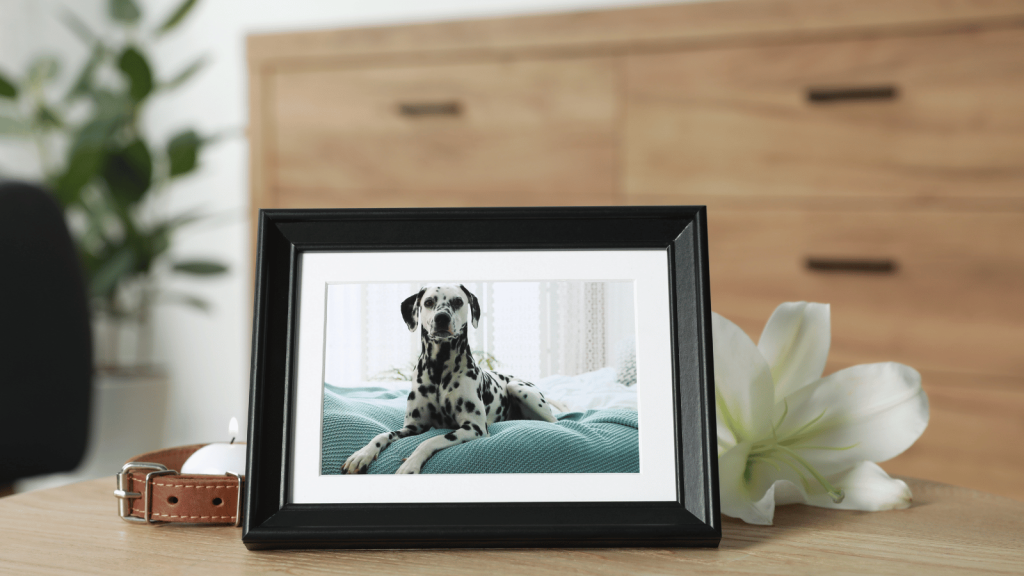
Losing a pet is incredibly painful, but it teaches something few of us learn early: how to navigate grief with honesty. People often find that mourning an animal helps them understand emotions they’d been keeping at arm’s length.
You learn how sadness shows up in your body, how support helps, and how healing actually works. This experience makes you more compassionate toward others — and more patient with yourself when future losses come.
12. Responsibility Encourages Self-Responsibility

Showing up for a pet — even when you’re tired, stressed, or busy — builds a quiet kind of discipline. Psychologists say that this external responsibility often translates into internal responsibility.
When you regularly follow through for someone else, it becomes easier to follow through for yourself. You start trusting your ability to commit, whether that’s sticking to a bedtime, taking a break, or finally booking that doctor appointment. Responsibility becomes something you can rely on, not resist.
13. Volunteering with Animals Boosts Wellbeing
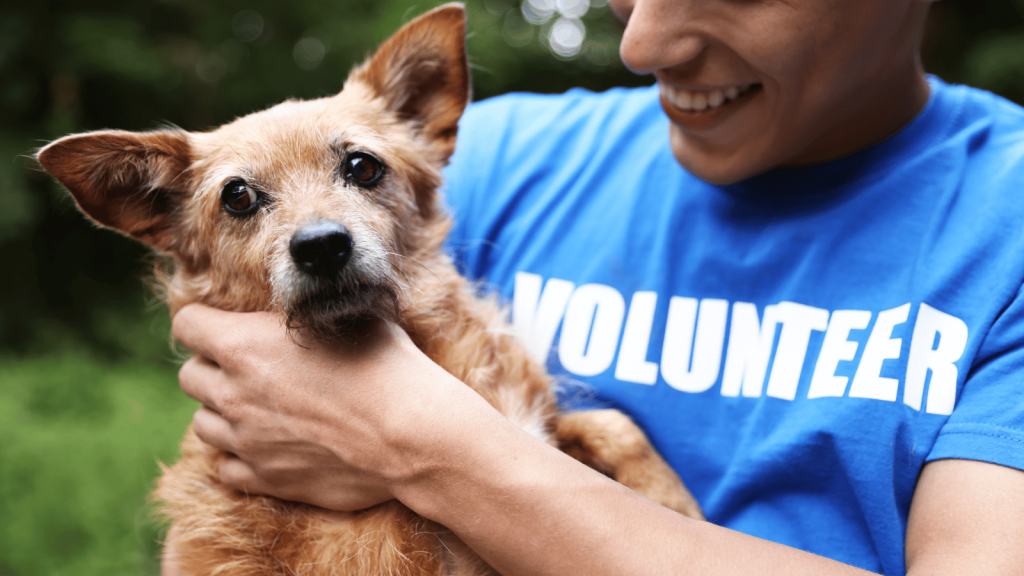
Helping animals in shelters or rescues gives you a sense of purpose that’s immediate and tangible. Even small actions — calming a nervous dog, refreshing water bowls, offering gentle touch — make a real difference, and you feel that impact right away.
Research shows that altruistic behavior boosts mood and reduces stress. Volunteering with animals adds another layer: you’re helping beings who can’t help themselves, which leaves many people feeling grounded, useful, and emotionally clearer.
14. Caring Improves Emotional Regulation
Animals react to your energy. If you’re anxious, they may get restless; if you slow down, they usually soften too. This real-time feedback teaches you how your emotions land externally, which makes regulation easier to practice.
When you calm yourself to calm your pet, you learn what actually soothes your body — slower breathing, softer voice, gentler pacing. These small adjustments build muscle memory for emotional steadiness, even outside your time together.
15. Pet Interaction Enhances Mood Recovery

When something stressful happens, animals help you recover faster. A small nudge, a purr, or a soft stare interrupts rumination and nudges your body toward calm.
Studies show that interacting with a pet can increase positive mood within minutes, even after a rough day. The best part is that it feels effortless — you don’t have to “do” anything. The comfort is mutual and natural, giving your system a quick reset without forcing positivity.
16. Animal-Assisted Activities Build Social Skills
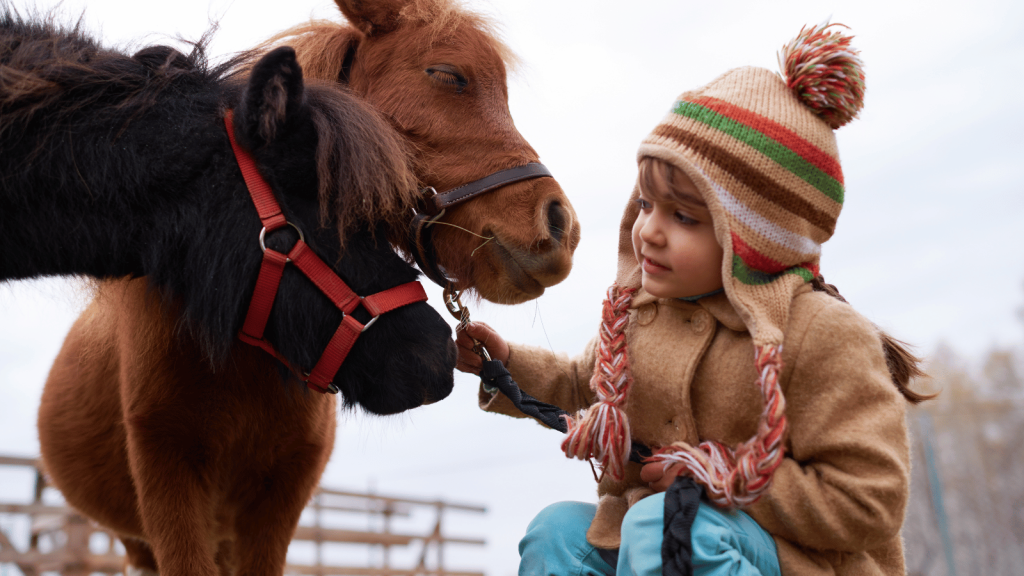
Therapy animals are used in schools, hospitals, and community centers because they lower social pressure. People open up more easily when a gentle animal is in the room. You don’t need perfect eye contact or polished conversation — the animal bridges the gap.
This kind of eased interaction helps people practice communication in a safer-feeling environment. Over time, it builds confidence, especially for those who normally feel awkward, shy, or overwhelmed in social settings.
17. Observing Behavior Sharpens Intuition

Spending time with animals trains you to notice tiny patterns — how they walk when they’re curious versus stressed, or how their breathing changes when they’re uneasy.
This kind of careful watching strengthens intuition, because intuition often comes from noticing subtle cues before your conscious mind catches up. As you get better at reading your pet, you get better at picking up similar signals in people and even in yourself. Your instincts get more accurate and trustworthy.
18. Adaptability Increases Through Unpredictability

Animals follow routines, but they’re also full of surprises — a sudden bark, an overturned water bowl, a sprint after a squirrel. These small disruptions gently stretch your flexibility.
Psychologists say that low-stakes unpredictability helps build cognitive agility, making you less thrown by sudden changes in life. Because the stakes are low with pets, your nervous system gets practice adapting without panic. You learn to adjust quickly and recover your balance with less stress.
19. Compassion Fatigue Awareness Grows

Caring for an animal feels good, but it can also be tiring — something many people don’t recognize at first. Noticing when you’re feeling drained or overstretched builds awareness of compassion fatigue, a concept usually discussed in professional caregiving.
When you catch those early signals in pet care, you become better at catching them in other areas of your life. It teaches you to rest before you hit burnout, not after.
20. Mutual Care Reinforces Self-Worth

Animals make their feelings obvious: when they trust you, they show it. Leaning in, following you from room to room, relaxing fully in your presence — these are clear signs that you matter to them.
And feeling trusted by another being, even a small one, can strengthen your sense of worth. You become someone who provides safety, comfort, and calm. That identity doesn’t disappear when you leave the room; it slowly shifts how you see yourself.


