Minimalism doesn’t require stripping life down to bare surfaces. Most of us keep objects we don’t need but can’t abandon—things that carry memory, identity, comfort.
Psychology explains why: objects anchor our sense of self and help us regulate emotion. The goal isn’t to live without attachment; it’s to understand which attachments support you and which weigh you down. This guide offers a research-informed way to keep what you love while letting the rest go.
1. The Memory Trigger

Autobiographical memory research shows that physical cues, like a photo or a letter, retrieve experiences more vividly than mental recall alone. A single object often reconnects you to a moment, a person, or a version of yourself that still matters.
But memory does not require quantity. One strong cue is more effective than several weaker ones. Choosing a single representation preserves the story without overwhelming your space.
2. The Body Test

Somatic psychology suggests your body reacts before your mind does when something holds emotional weight. Warmth, ease, or softening indicates meaning; tightness or dread often signals obligation.
This test bypasses the mental negotiations around “should I keep this?” and returns the decision to intuition. If your body relaxes around an object, it belongs. If it constricts, it doesn’t.
3. The Identity Echo

Symbolic self-completion theory shows we use objects to reinforce identities that matter to us. A runner’s bib, a painter’s brush—these are not decorative; they’re affirmations of self.
But identities evolve. Periodically asking which versions of yourself you still inhabit helps you keep markers that reflect the present rather than letting outdated ones accumulate.
4. The Grief Tangle

Inherited objects often carry unresolved emotion. Attachment research shows we sometimes cling to physical items because we fear losing emotional connection to the person.
Letting go of grief-items doesn’t erase memory. It just releases the object from having to hold emotions you’re still processing.
5. One Item Per Story

Memory studies suggest that a single vivid cue triggers recollection more reliably than a collection. One bracelet, one postcard, one program can represent an entire chapter.
This approach turns decluttering into storytelling: which object carries the emotional truth of that moment? Keep that one and let the duplicates go.
6. The Visibility Rule

Objects tucked away create background anxiety—you know they’re there, but you don’t interact with them. Environmental psychology calls this “hidden cognitive load.”
Visible items contribute to your daily experience. If something isn’t worth displaying or using, ask why you’re holding on.
7. The Shelf-as-Boundary

Boundaries reduce decision fatigue. A single shelf, drawer, or box gives you a defined space for sentimental items so they don’t slowly spread into every corner.
When the space fills, it becomes an invitation to refine, not expand. The boundary is not a restriction but a container for clarity.
8. The “Not Someday” Sort
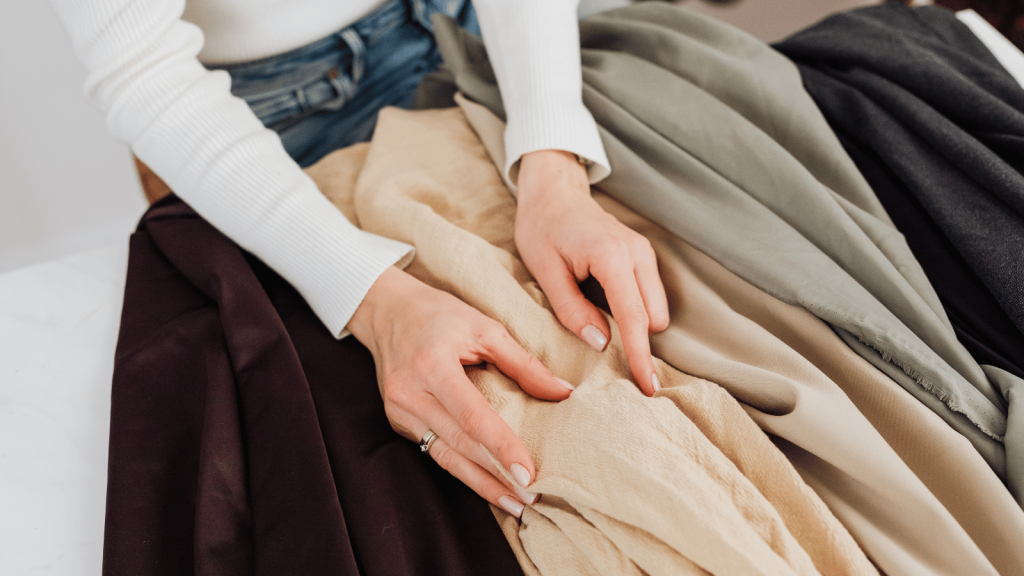
Items tied to future selves—clothes for “when I get back in shape,” craft supplies for “when I finally start”—are rarely sentimental. They’re self-discrepancy triggers, often linked to shame.
Separating sentimental from aspirational objects makes real meaning easier to see. One supports identity; the other pressures it.
9. The Memory-Without-Mass Trick

Digitizing sentimental objects preserves memory without storing physical weight. Cognitive research shows emotional recall isn’t dependent on physical form.
This approach allows you to keep the emotional content while releasing the bulk.
10. The Seasonal Reset
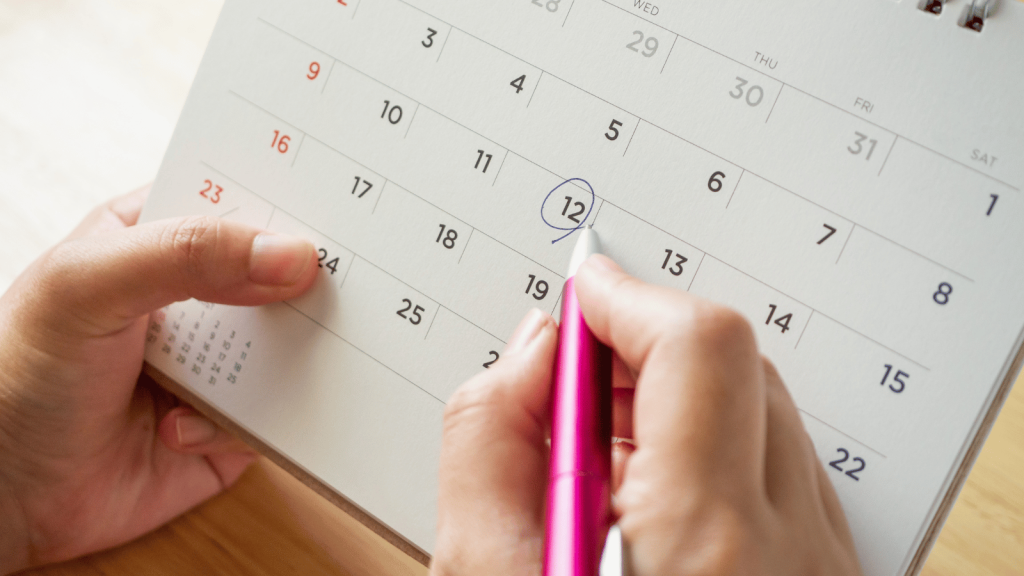
Regular, small-scale decision-making reduces emotional overwhelm. Studies on decision fatigue suggest quarterly evaluations maintain clarity better than rare, high-stress purges.
Some items will feel more meaningful with time; others will fade. Seasonal reviews help your sentimental collection evolve with you.
11. The Honesty Pause

Ask yourself: “Is this love, nostalgia, guilt, or fear?” Emotional literacy research shows naming the emotion often reveals the correct action.
Love and nostalgia are good reasons to keep things. Guilt and fear are not. A few seconds of honesty can dissolve months of indecision.
12. The Small Collection
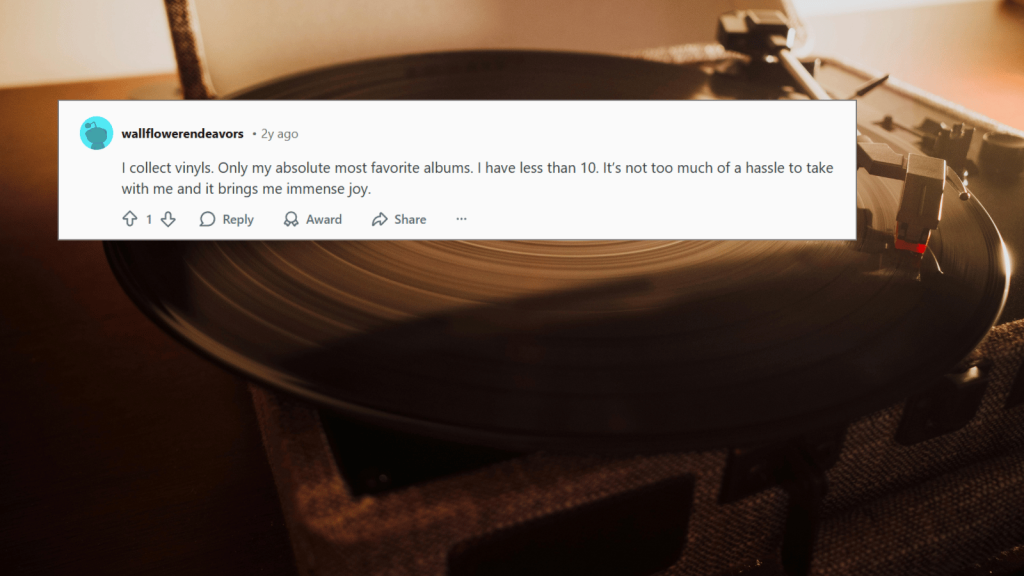
Humans find small clusters more emotionally potent than large displays. Visual cognition studies show that curated sets of three to five items feel intentional and satisfying.
This lets you keep your collections—just distilled. The meaning sharpens when the clutter falls away.
13. The Lineage Lens

Family objects can strengthen identity, but they can also carry obligation. Family-systems psychology helps distinguish between items that connect and items that guilt.
You honor your lineage by choosing the object that truly represents the relationship, not by storing everything you’ve inherited.
14. Objects That Participate

Recontextualizing sentimental items—using, wearing, or displaying them—keeps memory active. Ritual research shows that participating objects reinforce continuity between past and present.
A bowl in daily use or a letter framed on your wall becomes part of your living life, not an artifact buried in storage.
15. The Micro-Display

Small focal points reduce cognitive overload and increase appreciation. A tray, ledge, or nook can showcase sentimental items without overwhelming the room.
This creates a chosen “memory moment” in your home—something intentional, not accidental.
16. “Why This One?”

Reflective writing improves decision clarity. One succinct sentence about why you’re keeping an item reveals whether it’s meaning or obligation.
If you ramble, you’re justifying. If you’re clear, you’re choosing.
17. The Sensory Test

Sensory memory is powerful—texture, smell, weight often carry more emotional charge than appearance. Neuroscience shows these cues activate emotional pathways quickly.
If touching or smelling an object brings immediate warmth, keep it. If not, the memory may live elsewhere.
18. The Meaning Box
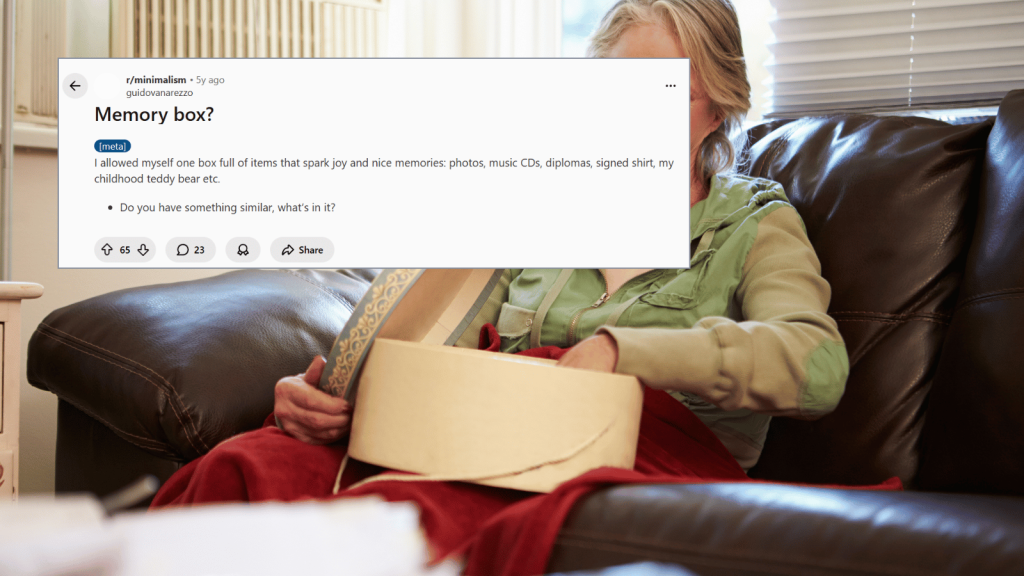
A single container for sentimental items creates psychological ease. Organizational research suggests people feel calmer when memory has a home.
When the box fills, refine rather than expand. It becomes a curated emotional archive rather than an ever-growing storage bin.
19. Ritual Release

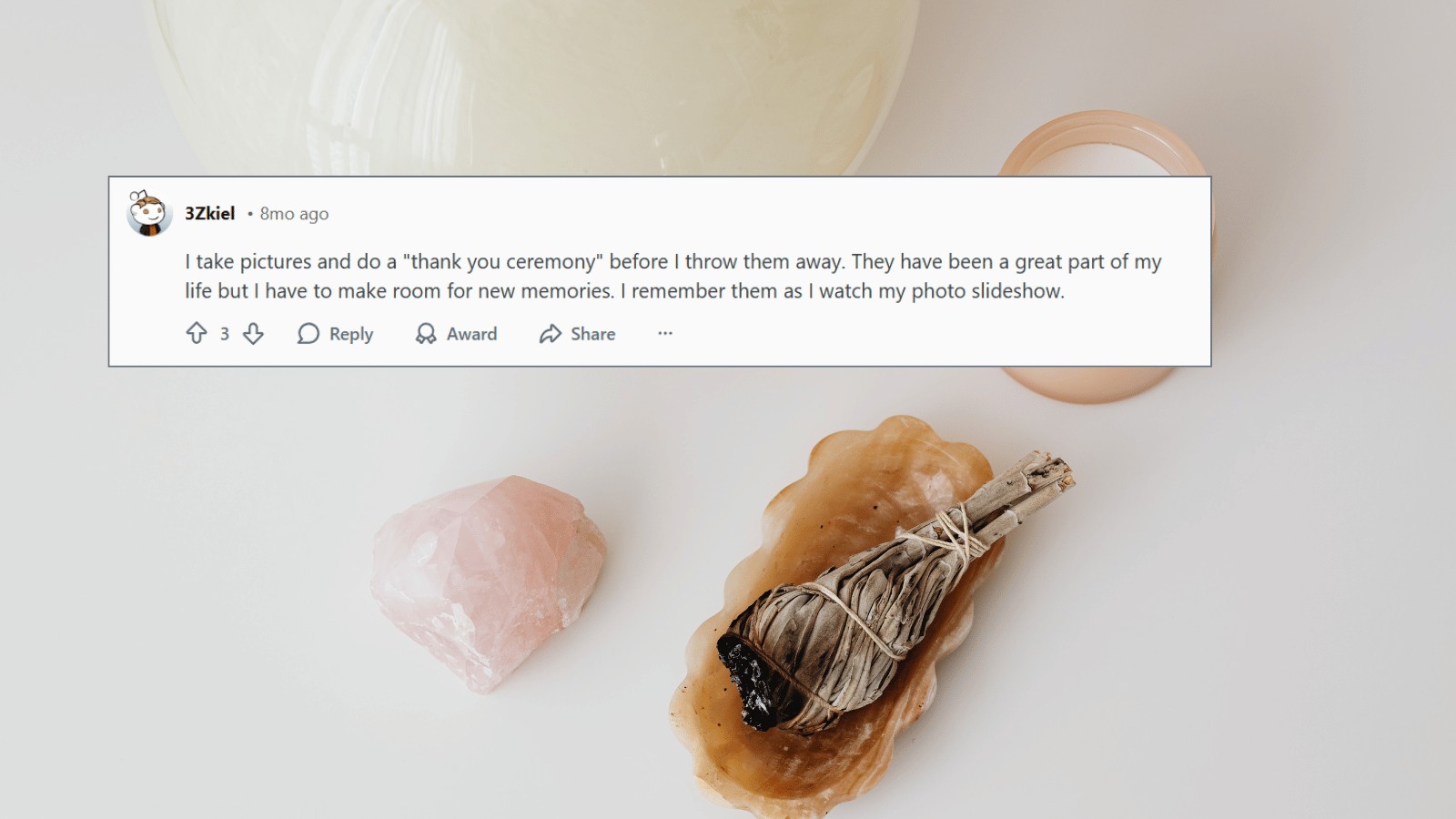
Release becomes easier when ritualized. Psychologists note that simple rituals—thanking an object, photographing it, retelling its story—help the brain integrate change.
You’re not discarding memory. You’re completing its cycle.
20. The Social Mirror
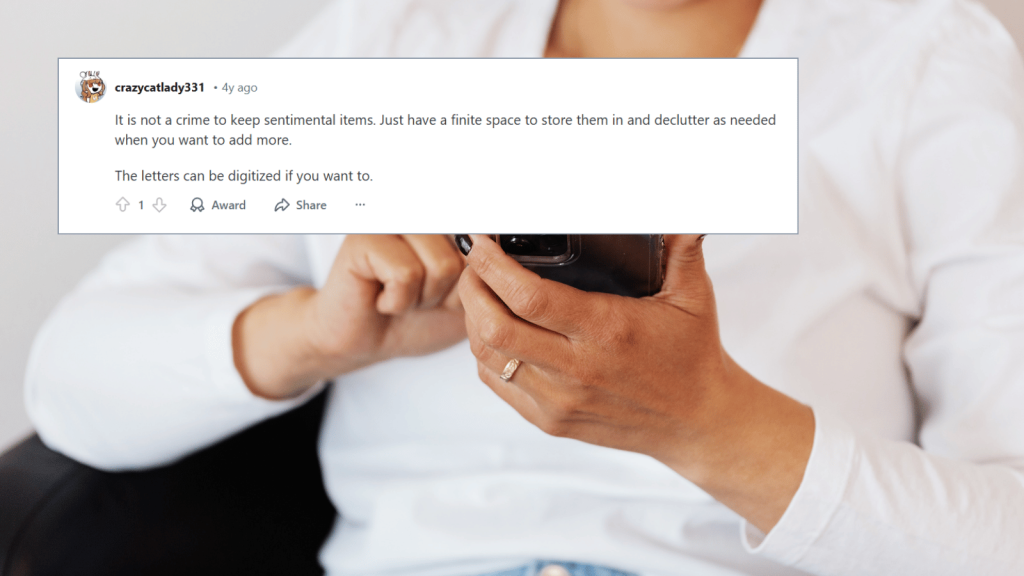
Seeing others wrestle with the same tension helps normalize your own decisions. Minimalism is not about purging emotion; it’s about keeping what’s alive and releasing what’s inert.
The social mirror shows that thoughtful keeping is not clutter—it’s clarity.


