
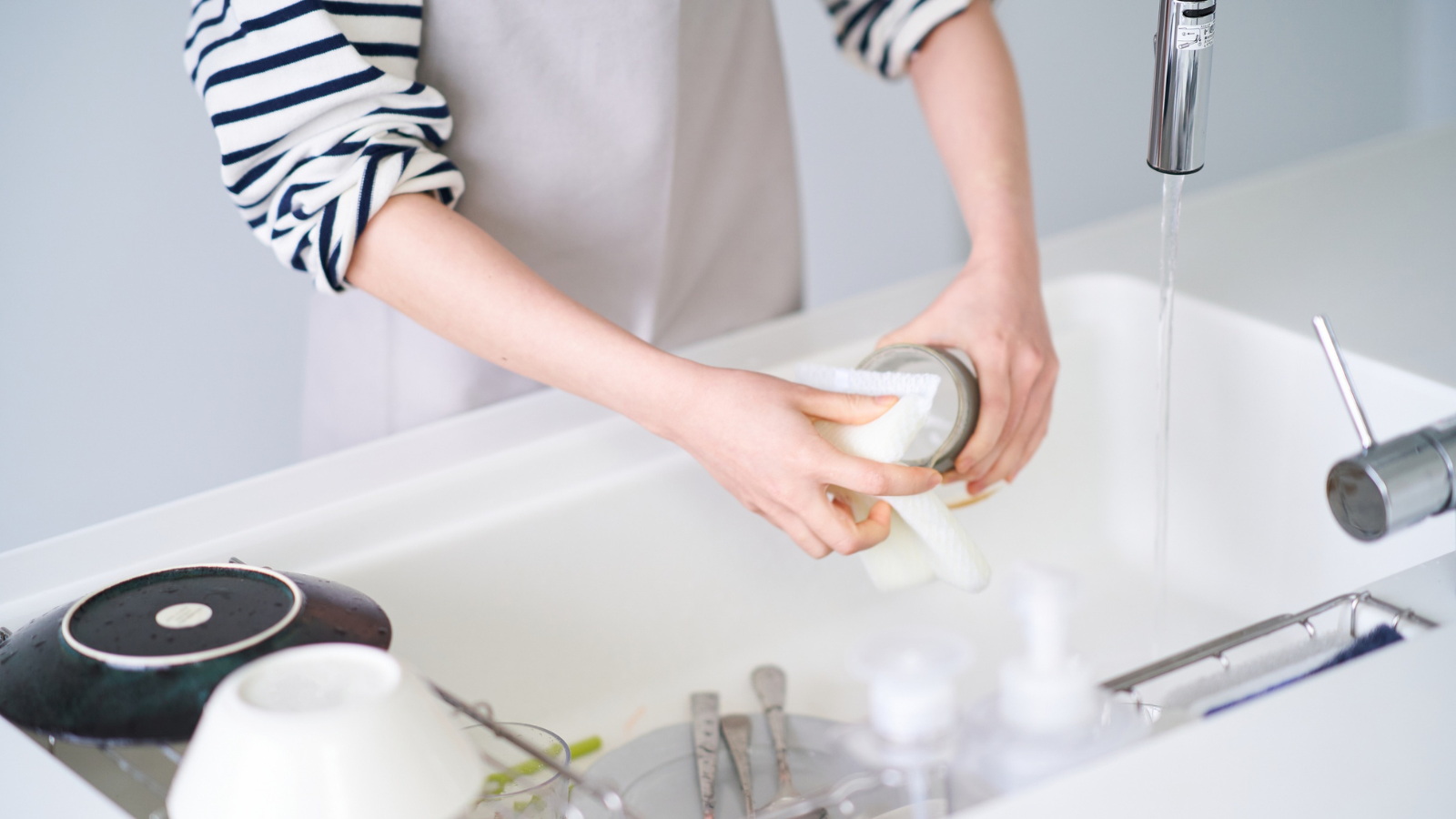
Your kitchen looks spotless—until you look closer.
Even the neatest kitchens hide a few secrets. That sparkling sink? It might be home to more bacteria than your phone. The “eco” sponge? A science experiment waiting to happen. As home design trends lean minimalist, we’re great at keeping things looking clean—but not always at keeping them actually clean. Here’s what might be lurking behind the gloss, and how to fix it without losing your aesthetic calm.
The Sponge That Won’t Quit
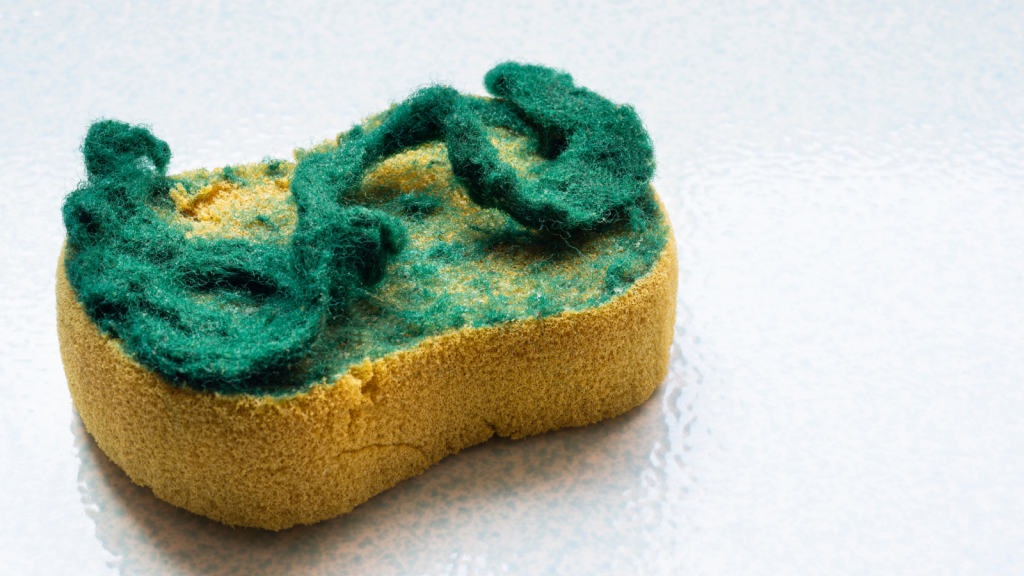
The average kitchen sponge harbors millions of bacteria—more than a toilet seat, according to researchers. Rinsing won’t fix it. Replace sponges weekly or sanitize them in the microwave for one minute. Or better yet, switch to a silicone scrubber that dries quickly and doesn’t trap moisture.
Cutting Boards with Hidden History
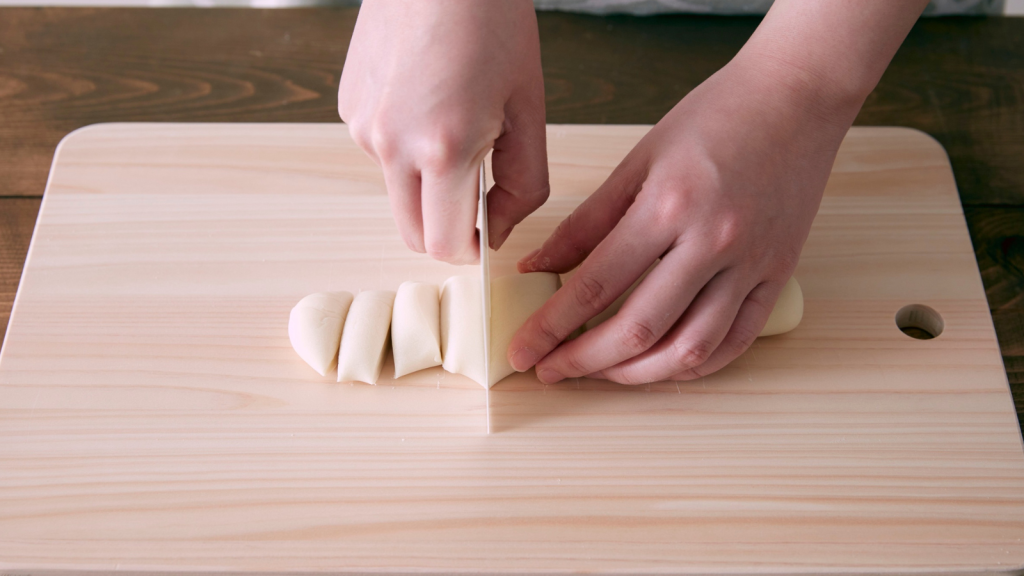
Those knife marks tell a story, but they also hold bacteria. Both wood and plastic can trap moisture deep inside the cuts. Use separate boards for raw meat and produce, and occasionally scrub with baking soda and vinegar. Clean habits are part of good kitchen design.
The Sink That Pretends to Be Clean

Even when spotless, your sink can test positive for E. coli. It’s where food residue, soap scum, and bacteria gather. Wash the sink last, after all other dishes, and occasionally pour boiling water down the drain. True kitchen hygiene starts here.
Towels on Repeat
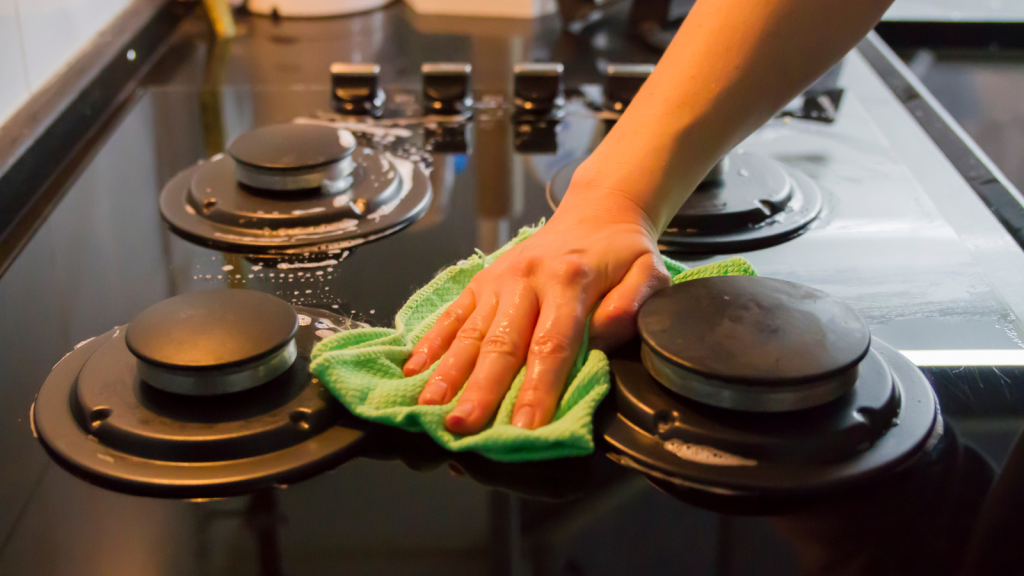
Kitchen towels quietly collect bacteria from damp hands and countertops. Replace them every two to three days, and use separate ones for drying dishes versus wiping hands. Small habit, big difference.
The Self-Cleaning Dishwasher Myth

Dishwashers need cleaning too. Filters and seals collect grime and mold. Once a month, run an empty cycle with vinegar, then again with baking soda. It’s a five-minute task that keeps everything truly fresh.
When Open Shelves Get Too Real
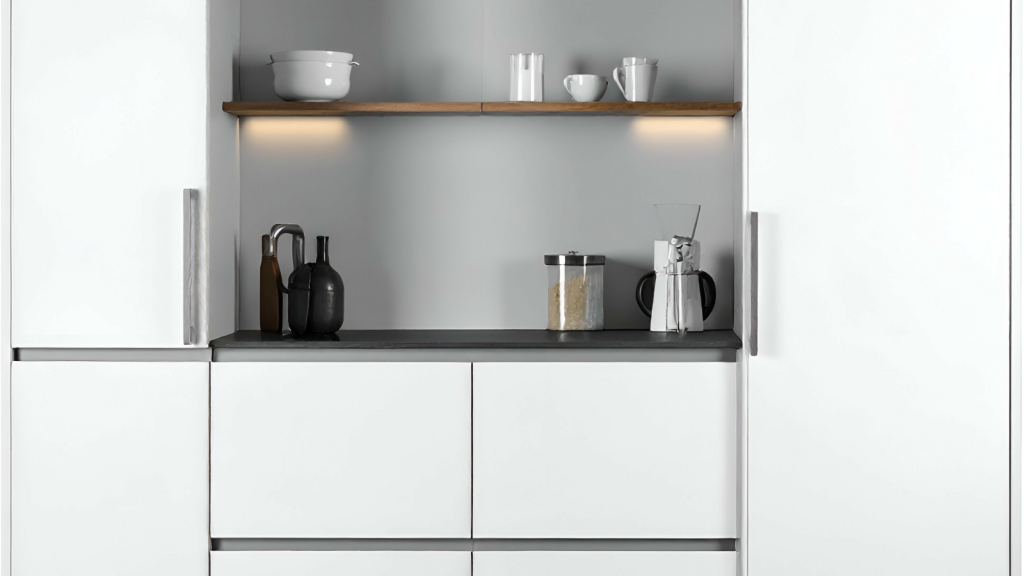
Open shelving looks effortlessly chic—but airborne grease and dust make it a dust trap. Wash dishes stored on open shelves regularly, and wipe the shelves monthly with a mild cleaner. Minimalism still requires maintenance.
Reusable Straws, Questionable Cleanliness

Reusable straws can harbor bacteria if they aren’t fully dry inside. Use a straw brush after every use and let them air-dry upright. Sustainability is great, but it only works when hygiene keeps up.
The Handles You Forget About

Handles are the most-touched surfaces in the kitchen—and the least cleaned. Wipe them down daily with warm, soapy water or alcohol wipes. If your home design leans minimalist, clean those smooth finishes often; they show more than you think.
The Coffee Maker’s Quiet Build-Up

That morning brew hides more than caffeine. Coffee makers grow biofilm—a sticky bacterial layer—inside the water reservoir. Run a vinegar cycle monthly, followed by clean water. It keeps your coffee tasting better, too.
Knife Care as Discipline

Leaving knives in the sink dulls the blade and spreads germs. Wash and dry immediately after use, then store upright. It’s a quiet act of respect—for both safety and hygiene.
The Myth of the Perfect Dish Rack
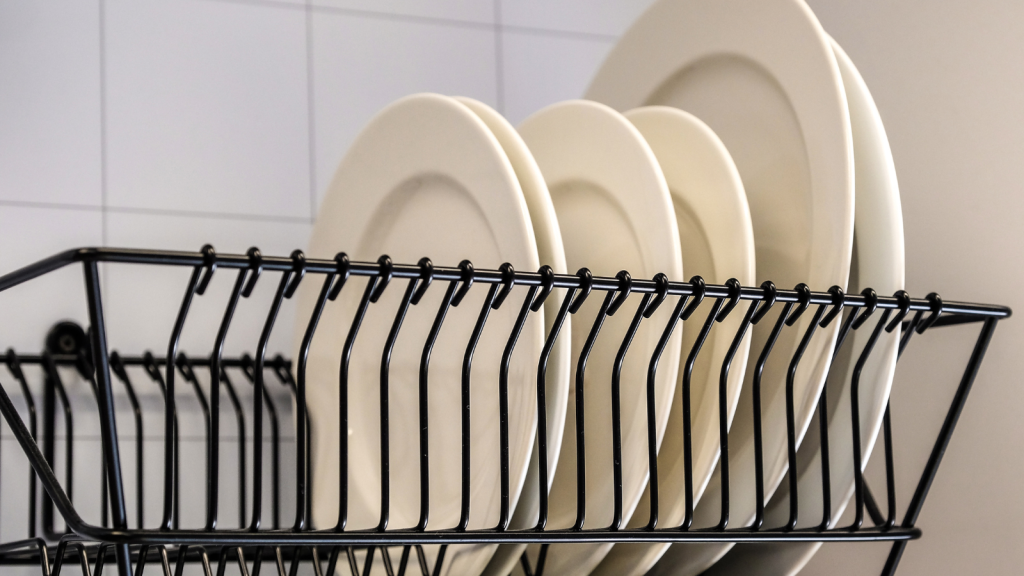
Even the simplest dish rack can trap moisture and bacteria underneath. Wipe it weekly, or switch to one that drains into the sink. Minimalism thrives on airflow as much as aesthetics.
Blender Gaskets: The Hidden Zone
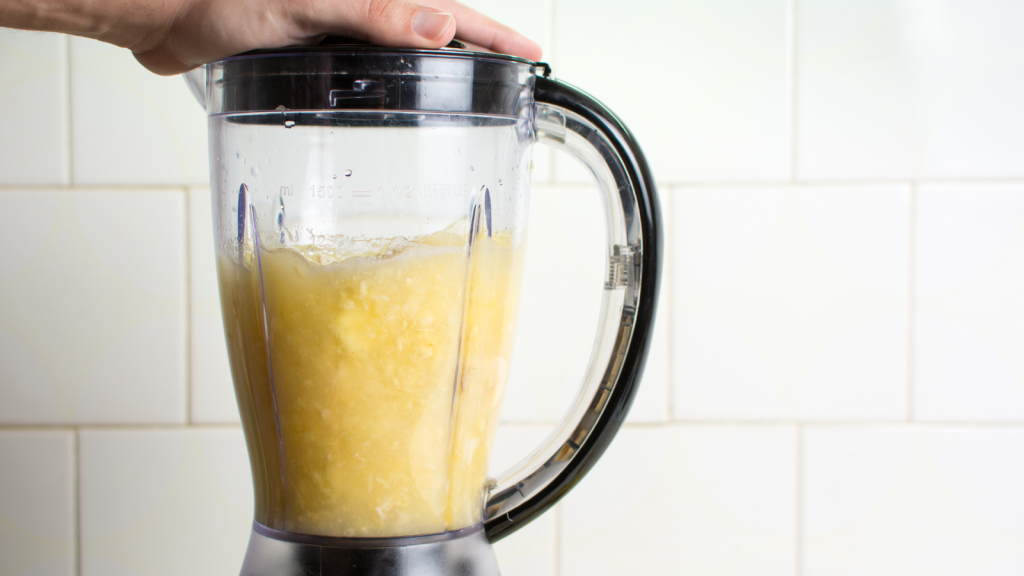
Smoothie residue often hides under the rubber seal. Disassemble your blender lid after each use and soak it in soapy water. You’ll prevent that faint sour smell you can never quite place.
The Dusty Salt and Pepper Set

They look harmless, but shakers collect grease and fingerprints. Wipe weekly with a damp cloth or vinegar solution. It’s a subtle refresh that keeps your cooking zone cleaner than it looks.
Fridge Drawers: Out of Sight, Out of Mind

Produce drawers are ten times dirtier than most fridge shelves. Take out everything once a week, rinse the drawer, and dry it completely. It’s not glamorous—but neither is mystery lettuce slime.
The Overused Cleaning Cloth
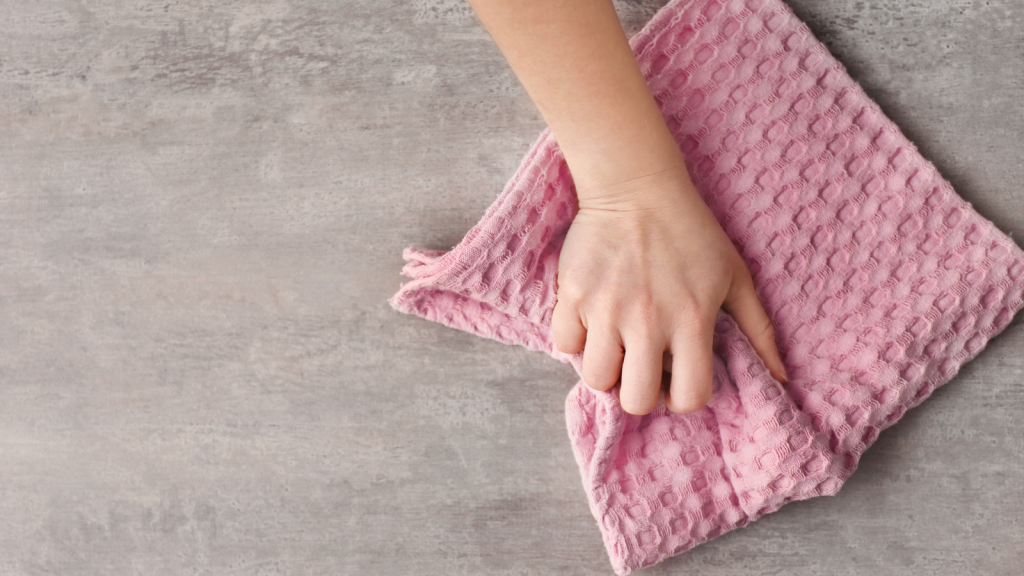
That cloth you keep reusing? It’s spreading germs. Replace daily or use separate ones for food prep and surfaces. Eco-friendly doesn’t have to mean endlessly reused.
The Fruit Bowl Trap
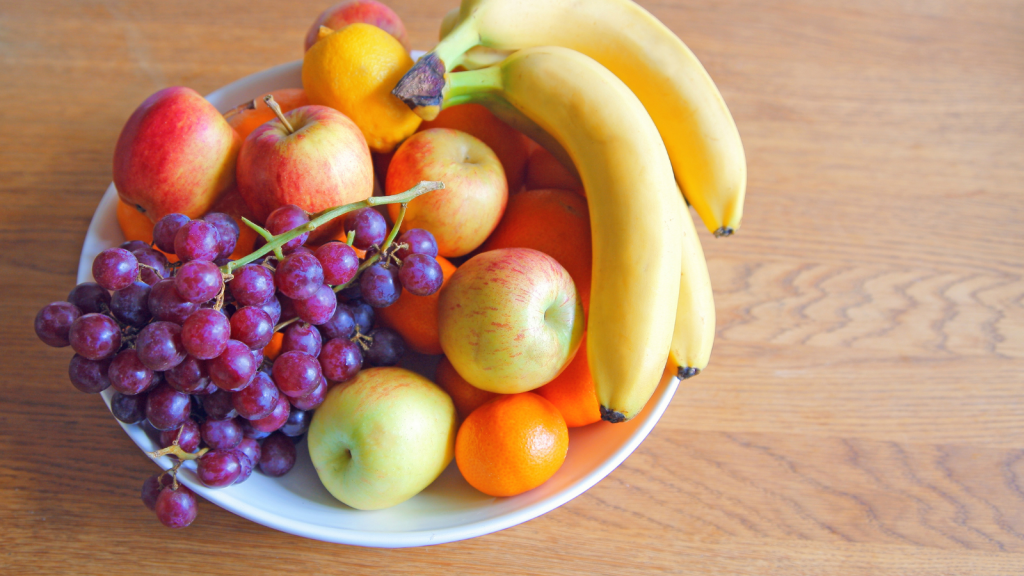
Fruit left out looks inviting, but those skins collect dust and bacteria. Rinse fruit under running water before arranging it. Style meets safety with one quick wash.
Recipe Tablets Need Cleaning Too

Touchscreens collect kitchen grime fast—especially if you scroll mid-cooking. Wipe them with an alcohol-based cleaner at the end of each meal prep session. Think of it as part of your cleanup routine.
Oven Knobs with a Secret

Oven controls trap grease and crumbs in every groove. Remove knobs occasionally and soak them in warm water. It’s oddly satisfying and makes your stove feel new again.
The Trash Can Lid Nobody Mentions
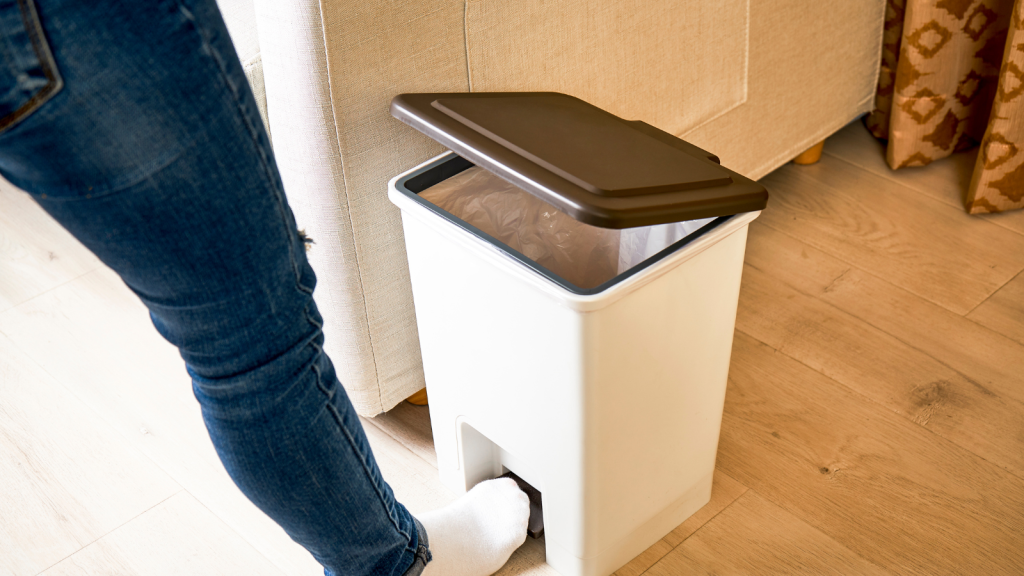
It’s the dirtiest surface you never clean. Wipe the underside of the lid whenever you take out the trash, and occasionally wash the whole bin. You’ll notice the difference immediately.
Routine Is the Real Aesthetic
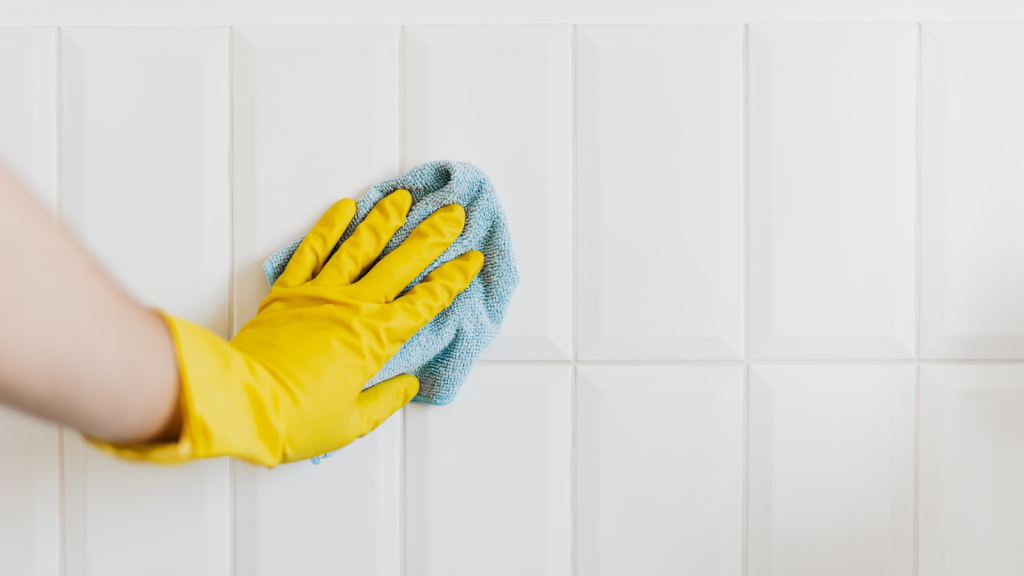
A clean kitchen isn’t about perfection; it’s about rhythm. Frequent small cleanups keep your space feeling calm, organized, and genuinely healthy. Minimalism starts with what you maintain, not what you hide.


