

The loss of a pet arrives quietly and then changes everything. What disappears isn’t only a companion but a rhythm: the footsteps in the hallway, the soft weight beside you, the tiny responsibilities that shaped your day. And yet the grief that follows often feels invisible. Friends encourage you to “move on.” Work expects normalcy.
Meanwhile, a mix of guilt, loneliness, and stubborn loyalty pulls you inward. Pet loss becomes a private ecosystem of emotions — misunderstood, underestimated, and yet profoundly transformative. In that quiet space, something shifts. Not just the way we mourn, but the way we love.
The Weight of “Was It Enough?”
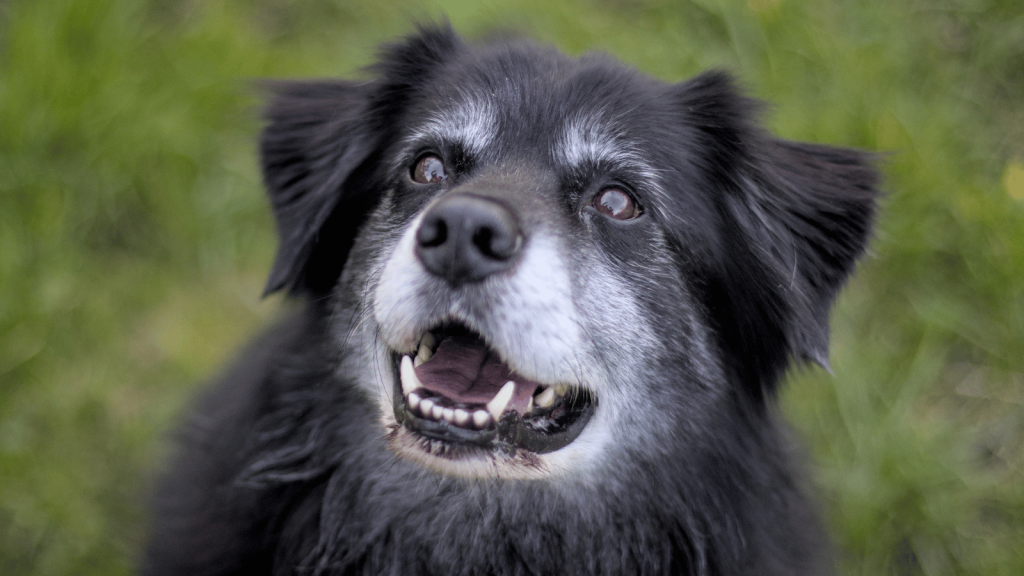
Guilt often appears first, long before the shock wears off. We replay decisions: the late-night vet visit, the early signs we missed, the moment we realized something was wrong. Even when professionals reassure us, guilt insists on living in the small spaces between memory and responsibility. It becomes the soundtrack to early grief, relentless and intimate.
But guilt also reveals something essential: the depth of care we carried. It shows how seriously we held the responsibility of another living creature’s wellbeing. In that sense, guilt acts like a mirror. It reflects not failure but devotion, reminding us that our love was active and imperfect in the very human way love always is.
The Silence That Replaces Routine

Every pet creates a rhythm, a sequence of gentle interruptions. Feedings, walks, greetings, the subtle check-ins across the day. When those routines collapse, silence takes over. It’s the kind of quiet that feels thick — like the air changed shape. You notice it most in the mundane moments: reaching for a bowl that’s no longer needed, stepping carefully around a corner even though no one is there.
This shift in routine is more than an inconvenience. It’s a dismantling of a shared design. Our lives are shaped by the creatures we love, and when the pattern breaks, we feel unmoored. The shock comes from losing not just a pet but the architecture of everyday companionship.
The Loneliness That Feels Embarrassing to Admit

Loneliness after losing a pet carries its own stigma. People expect loneliness after losing a partner, parent, or friend — but loneliness after losing a dog or cat can feel like an emotional overstep. So many grievers hide it. They go home to empty rooms and feel a type of solitude they can’t fully name.
This loneliness, though, is not small. It’s relational. Pets act as emotional companions, often bridging the space between the self and the world. Without them, everyday life feels less witnessed. There’s no soft presence trailing behind you, no warm weight to anchor your evenings. That loss of emotional companionship cuts deeper than culture acknowledges.
The Strange Guilt of Feeling Relief

Another guilt surfaces later — the guilt of relief. Relief that their suffering ended. Relief that the medical decisions are behind you. Relief that the constant worry is gone. This relief feels like betrayal, as if comfort undermines love. But it doesn’t.
Relief after caregiving is a natural unwinding of tension. It recognizes the truth of the situation: you acted out of care, and the hardest part is over. Instead of seeing relief as disloyal, it helps to see it as a sign of human endurance. You held vigil, and now your nervous system is simply finding its way back.
The Decision No One Prepares Us For
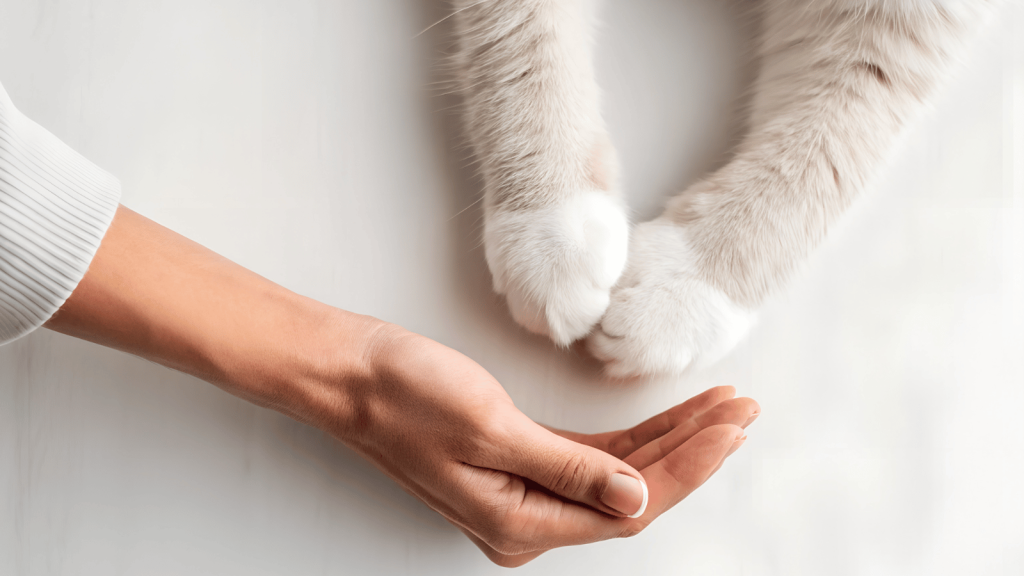
Euthanasia is a decision weighted with paradox. It is both compassionate and devastating. It asks you to be the advocate and the mourner in the same breath. Many people describe it as the hardest choice they’ve ever made — not because they doubt the necessity, but because love collides with the responsibility to end suffering.
The emotional aftermath of this decision shapes the trajectory of grief. Some feel empowered by doing what was right for their pet. Others struggle with the finality. Either way, the decision stays with you. It becomes part of the story — not a moment of cruelty, but of courage.
When People Say the Wrong Things
Most pet owners have heard some version of “You’ll get another one,” or “It was just a pet.” These comments aren’t meant to wound, but they do. They shrink the loss, and they misunderstand the depth of attachment. Dismissive sympathy adds a second layer of loneliness — the loneliness of not being seen.
This is why pet grief is often called a disenfranchised grief. It isn’t socially rewarded or fully legitimized. That lack of acknowledgement makes healing harder. But it also forces grievers to cultivate inner validation: to honor the truth of their experience even when others cannot.
The Body Remembers First

In the early weeks, your body keeps acting as if your pet is still there. You reach for the leash. You wait for the familiar footsteps. Your hand extends automatically toward the space they used to occupy. These gestures reflect an embodied bond — the kind that forms through hundreds of tiny repetitions.
Eventually the body relearns a different rhythm, but these phantom actions signal that grief begins in muscle memory. They also show how deeply intertwined you were. Your body carries the story long before your mind makes sense of it.
Objects That Become Altars
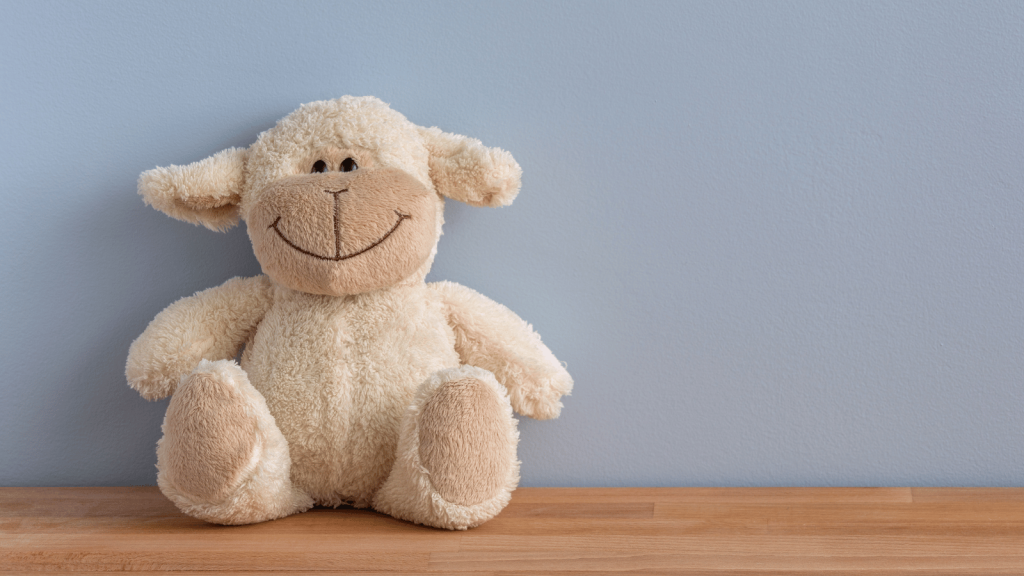
In the first months, ordinary objects turn sacred. A collar becomes a relic. A blanket becomes a small shrine. Toys become pieces of history. These items hold not just memory but energy — the warmth of routines, the smell of home, the evidence that a life was lived alongside yours.
These altars, whether elaborate or unintentional, serve as emotional scaffolding. They help you transition from physical presence to symbolic connection. Over time their significance changes, not because you forget, but because memory shifts from ache to gratitude.
The Ghost Habits That Linger

Habits outlive their purpose. You still leave space on the couch. You still scan the room for movement. You still speak into the air, half-expecting a familiar rustle or tap. These lingering habits are not delusions but echoes. They are how the nervous system processes change.
They fade slowly, replaced by new rhythms. But for a while, these “ghost habits” offer a strange comfort. They show the shape of the life you shared, drawn through repetition and care. Letting them dissolve is its own quiet chapter of mourning.
The Social Media Archive You Can’t Close

Scrolling through old photos becomes an emotional minefield. One moment you’re smiling at a memory, the next you’re collapsed into grief. Social media, with its endless archives, opens the door to revisiting days that feel impossibly distant.
Yet these digital memories also create a bridge between loss and continuity. They remind you that grief is not a straight path but a looping narrative. The ability to revisit moments on your own terms becomes part of the healing — not as a way to stay stuck, but as a way to honor what was real.
How Children Grieve Differently

Children rarely mask their grief. They ask direct questions. They feel losses acutely but express them in bursts: drawings, tears, long silences. They may misunderstand the permanence of death, but their emotional intelligence can surprise adults. They sense the shift in the household atmosphere.
Adults often try to shield children from pet loss, but involving them gently in the process creates a foundation for future resilience. Children learn that grief is a shared human experience — one that requires support, honesty, and closeness.
The Way Pets Witness Us
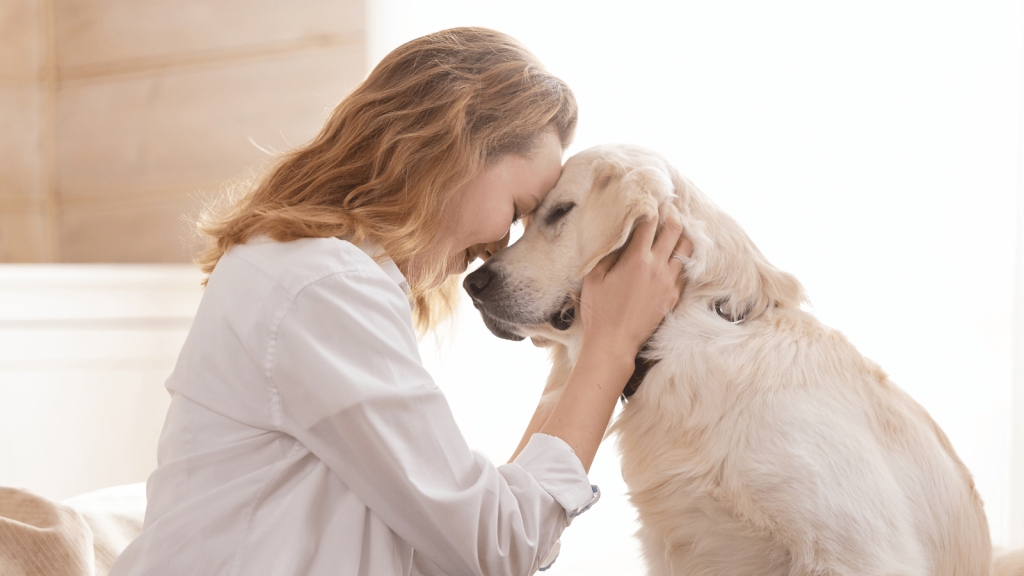
Pets live close to our emotional weather. They observe our habits, moods, and vulnerabilities with uncomplicated acceptance. In many ways they are our most consistent witnesses, present for the scenes we forget but they quietly walked through — heartbreaks, moves, milestones, Tuesday evenings with nothing special happening.
Losing that witness is its own grief. It feels like a small version of losing part of your autobiography. Yet this sense of being seen also becomes part of the healing. You realize the relationship shaped you, not just for the years you shared, but for every year after.
When Friends Don’t Understand
Support after pet loss varies widely. Some friends show up with empathy; others unintentionally minimize. When someone doesn’t understand the grief, it doesn’t mean your feelings are too large — it means their frame of reference is too small.
This gap in understanding can deepen isolation, but it also clarifies who your emotional community truly is. Sometimes the people who validate your grief most deeply are fellow pet owners, or even strangers. Shared experience becomes its own kind of solidarity.
The First Day That Doesn’t Hurt as Much

There comes a morning when the grief doesn’t feel as sharp. It isn’t that the loss shrinks — it simply becomes more integrated. The absence stops shouting and begins whispering. The small routines no longer sting. Instead, they feel like touching a bruise that’s finally healing.
This moment can feel disorienting. You might question whether you’re forgetting or moving on too quickly. But easing pain is not disloyal. It’s the body and mind adapting, finding new equilibrium. Healing isn’t forgetting; it’s learning to carry memory with less weight.
The Unexpected Return of Joy

Joy returns quietly. It shows up in brief laughs, in conversations that pull you back into the world, in sunlight that feels warm again instead of glaring. At first these moments may feel undeserved. But they are signs of emotional repair, not betrayal.
Grief doesn’t erase joy — it rearranges the conditions under which we experience it. With time, joy becomes more nuanced, braided with gratitude and memory. You start to see life not in spite of loss but in conversation with it.
Why Some People Adopt Again Quickly

Some people adopt a new pet soon after losing one. Outsiders often misunderstand this as replacement, but it’s rarely that simple. Adopting again can be a way to re-engage with love, routine, and purpose. It fills the vacuum not by erasing the past but by honoring the capacity to care.
Others wait months or years. Both timelines are valid. The choice reflects personal emotional rhythms, not loyalty tests. The heart opens on its own schedule — and it opens differently for everyone.
And Why Others Never Do
For some, the pain of loss creates a protective barrier. They can’t imagine opening themselves to the vulnerability of another bond. Their pet was singular, irreplaceable in the emotional blueprint of their life. Choosing not to adopt again becomes its own form of honoring.
This decision doesn’t indicate unresolved grief. Instead, it reflects the depth of the relationship that came before. It acknowledges that love leaves a permanent mark, and sometimes that mark becomes enough.
The Rituals We Invent

Because society offers few rituals for pet grief, many people create their own. They plant trees, make photo books, write letters, or designate a spot in the home for remembrance. These acts offer the structure that traditional mourning rituals provide for human loss.
Invented rituals give grief a physical form. They help translate emotion into action, allowing the mind to process change through the hands. These gestures become stepping stones toward acceptance, marking the transition from survival to integration.
The Continued Bond
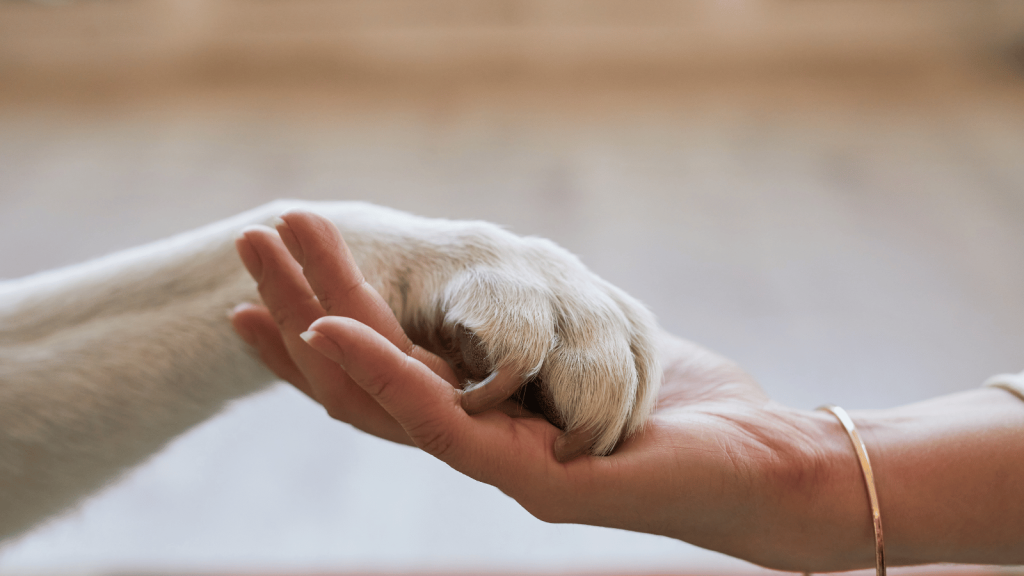
Many grief experts describe the idea of a continued bond — the sense that we remain connected to those we’ve lost. For pets, this bond feels uncomplicated and steady. Their memory stays close because their love was woven into everyday life.
Over time, the bond becomes less about sorrow and more about companionship in a different form. The love doesn’t vanish; it becomes quieter, softer, integrated. It becomes part of the way you move through the world.
The Moment You Realize You’ve Changed

Eventually, something shifts. You notice you respond to others with more gentleness. You understand resilience in a way you didn’t before. You see that love includes both responsibility and loss — and you survived the hardest part.
Pet loss doesn’t only reshape grief. It reshapes you. It teaches you how to sit with emotion, how to care with transparency, how to hold memory without fear. It becomes a quiet revolution inside you, changing your understanding of what it means to love well.


