

Your clutter isn’t about laziness. It’s about memory, identity, and the weird ways our brains make meaning from objects.
Clutter gets blamed for everything—from stress to bad mood to “why can’t I find my keys.” But psychologists say clutter is rarely about the stuff itself. It’s emotional. The things we keep reflect memory, comfort, and control. Your overflowing closet? Probably says more about your mental state than your shopping habits. (And no, that’s not a bad thing.)
What Clutter Really Says

Psychologists see clutter as externalized emotion—a physical version of your mental load. When life feels chaotic, we hang onto stuff that makes us feel grounded. It’s basically a coping mechanism disguised as a “mess.”
The Memory Effect

We keep things because they hold stories. That concert ticket, that chipped mug, that random souvenir from college—they’re memory triggers. Research calls this “symbolic attachment.” We’re not clinging to objects; we’re clinging to who we were when we got them.
The Minimalism Guilt Trip

Minimalism gets praised like it’s a moral achievement. But for most people, total minimalism just feels cold (and kind of impossible). Real peace doesn’t come from owning less—it comes from owning what matters. Your goal isn’t to be spotless, just sane.
Why Decluttering Feels So Hard

Every item represents a decision. Behavioral psychologists call it “decision fatigue,” and it’s real. Decluttering means choosing, and choosing means confronting regret, guilt, or nostalgia. That’s why the smallest drawer can take an hour.
The Fear of Forgetting
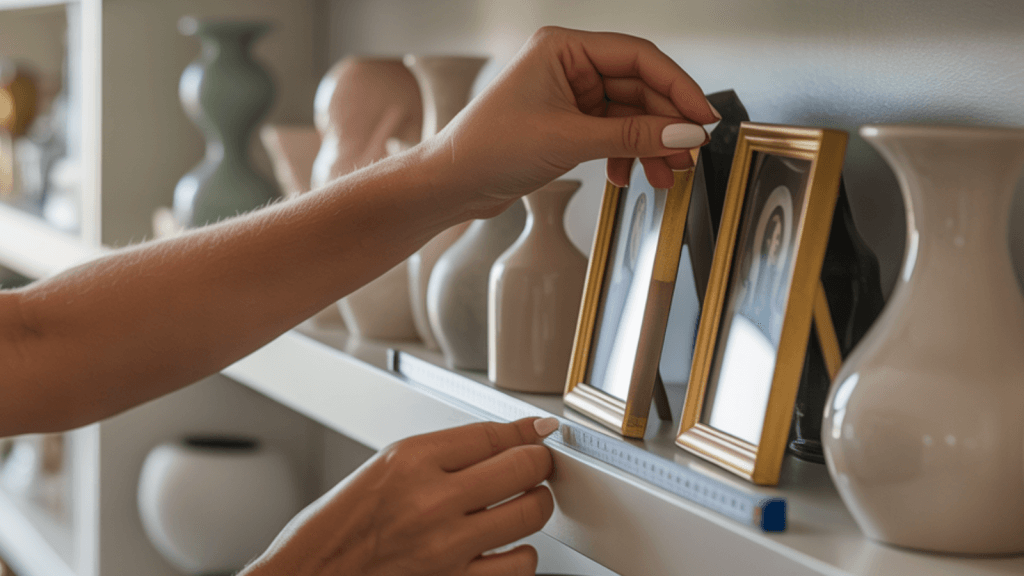
We hoard memories because we’re scared we’ll lose them. But memory doesn’t actually live in objects—it lives in us. Letting go doesn’t erase the story; it just frees up space to live new ones. (Your high school hoodie has served its purpose.)
The Guilt of Letting Go

The hardest part of decluttering is guilt. We feel wasteful for throwing things out, even when we don’t use them. That’s the “sunk cost fallacy”—we keep things because we once invested time or money. But guilt isn’t gratitude, it’s just emotional clutter.
Organized Chaos

Some clutter isn’t dysfunction—it’s energy. Psychologists say “functional clutter” can help certain people think better. If your desk looks messy but you know exactly where everything is, congratulations: you’re not disorganized, you’re dynamic.
When Clutter Becomes Comfort
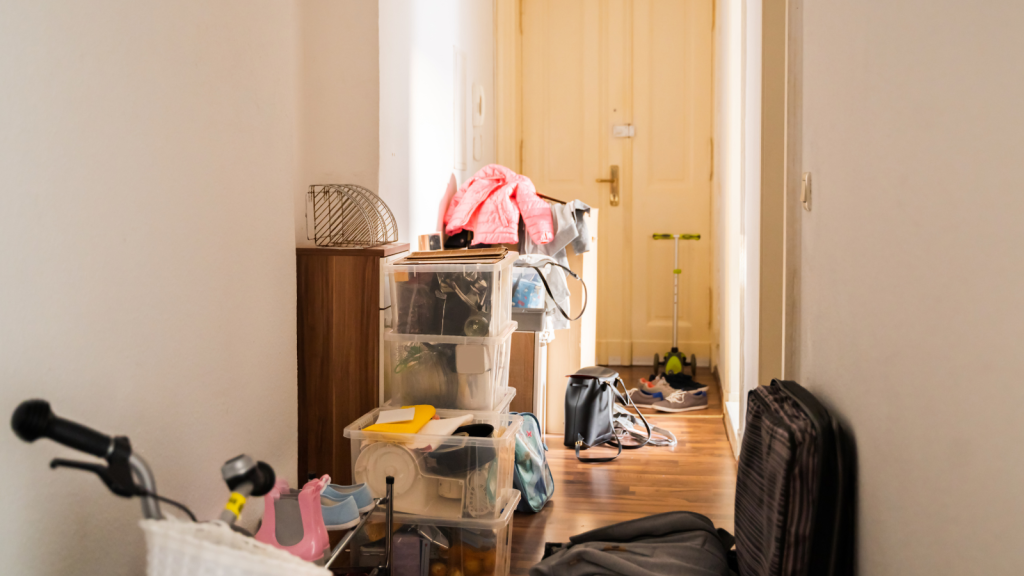
Some people find comfort in a little visual noise. Research shows moderate clutter can actually reduce stress for certain personality types. A perfectly clean home can feel sterile; a slightly messy one feels human. (That’s why “lived-in” is a compliment.)
Clutter as Control

We hang onto stuff because it makes life feel predictable. In uncertain times, clutter is control. Keeping extra “just in case” feels safer than facing what we can’t plan for. It’s not irrational—it’s emotional insurance.
The Relationship Test

One person’s “chaos” is another’s comfort. Partners often clash over clutter because it triggers different needs: safety, order, identity. When you realize it’s about emotion—not cleanliness—it’s easier to compromise.
The Illusion of Organization
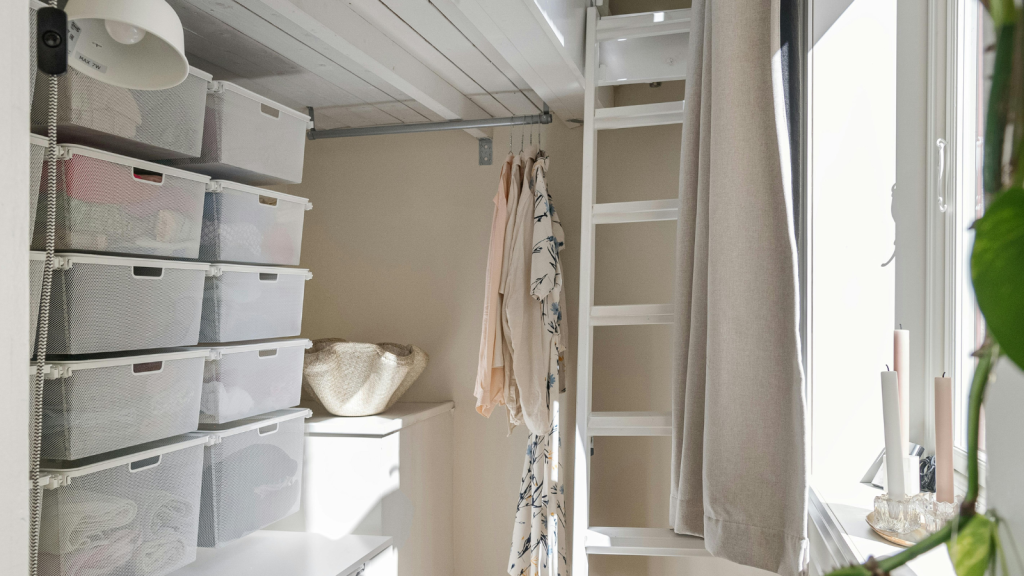
Organizing can be sneaky procrastination. We buy bins and label makers, but really we’re just moving emotions into nicer containers. Real clarity comes from asking why something’s here, not where to hide it.
Digital Mess Counts Too

Your inbox, your desktop, your 37,000 photos—they’re digital clutter, and your brain treats them the same way as physical mess. Studies show digital overload increases stress and decision fatigue. (So yes, deleting files counts as self-care.)
Clutter and Mental Health

Clutter can amplify anxiety and exhaustion, but it doesn’t cause them. Usually, it’s a mirror. When your space is crowded, your brain probably is too. Cleaning up can help—but understanding what’s behind the mess helps more.
The “Just in Case” Trap
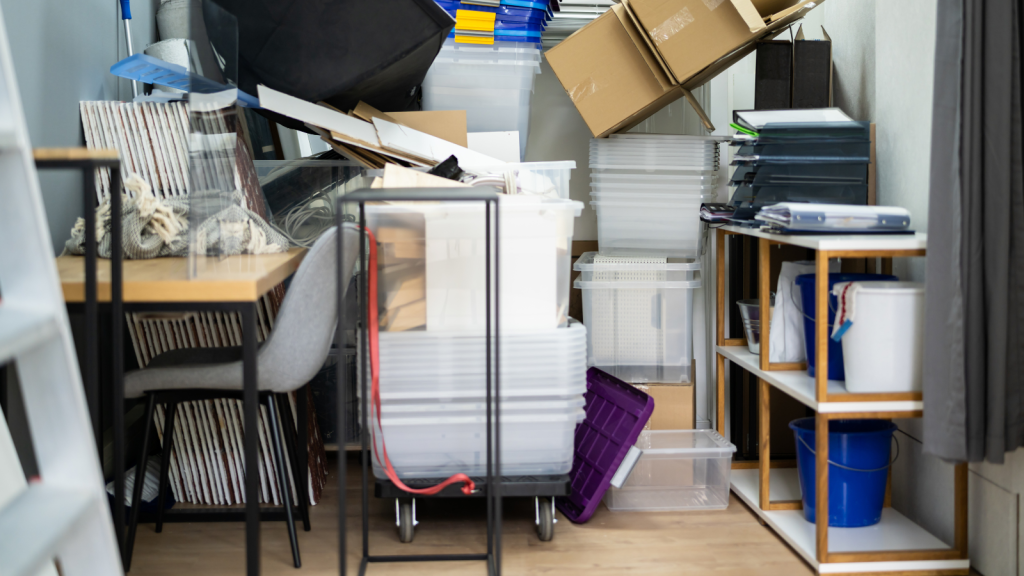
Keeping everything for “someday” is comforting, but it feeds fear. Psychologists call it scarcity thinking—the belief that resources (or opportunities) won’t come back. Decluttering helps rebuild trust in abundance.
The Post-Declutter Rebound

Ever clean everything and then… two weeks later it’s back? That’s the rebound effect. You can’t fix emotional clutter with a weekend purge. The real work is changing the habits (and feelings) that brought it there.
Redefining Minimalism

Minimalism doesn’t mean “nothing.” It means “enough.” If your space feels calm and functional to you, it’s already working. A home can be tidy and full at the same time.
Slow Decluttering

You don’t have to go full Marie Kondo in one day. Slow decluttering—one drawer at a time—works better because it gives your emotions time to catch up. (Think “gentle editing,” not “emotional demolition.”)
Emotional ROI

Here’s a new question: what’s the emotional return on investment? If something makes you feel calm, inspired, or loved, it earns its space. Everything else is just rent-free stress.
What You Keep Keeps You

Our homes tell on us—in a good way. Clutter psychology isn’t about judgment; it’s about self-awareness. When you notice why you keep what you keep, you learn what actually matters. (Hint: it’s rarely the stuff.)


