
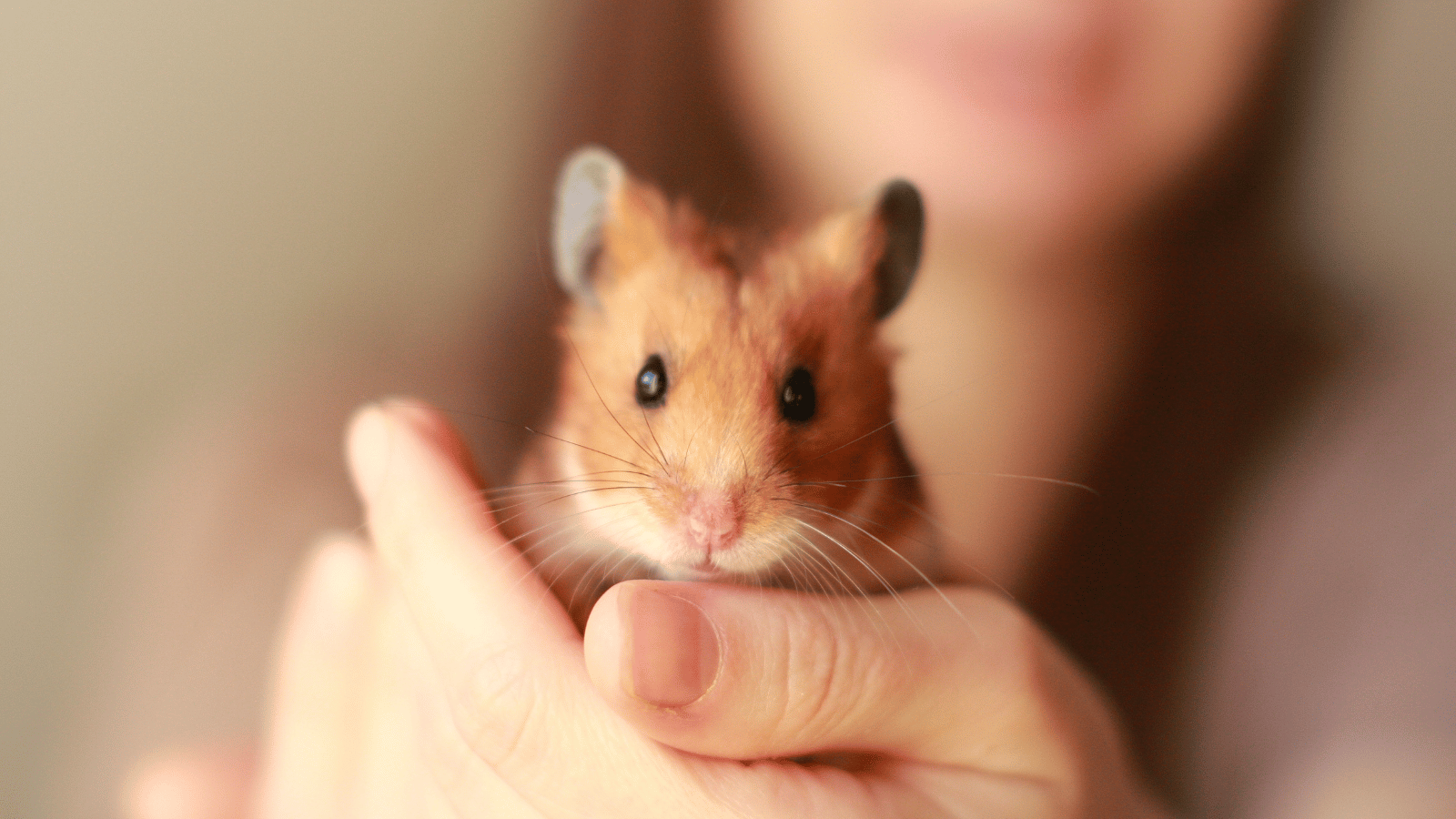
There’s something disarmingly tender about watching a hamster tuck sunflower seeds into its cheeks or feeling a guinea pig buzz softly under your palm. I’ve kept a few small pets over the years, and each one left a surprisingly deep imprint. They seem too tiny to change anything about your emotional life, yet somehow they do. It’s almost like they carry a kind of pocket-sized calm. And the strange truth is: they do—just not in the way most people expect.
The Quiet Routines We Don’t Think About
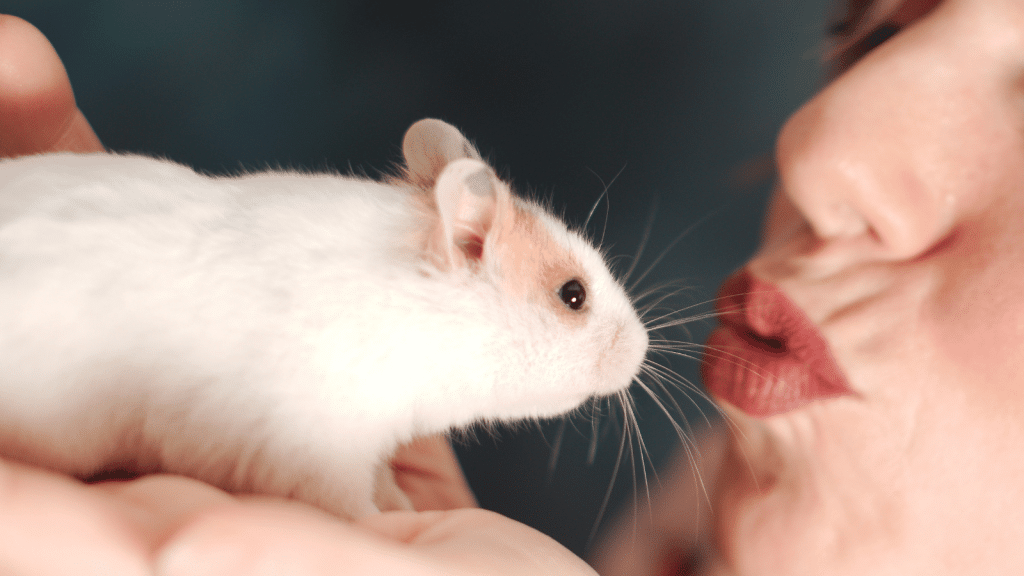
If you’ve ever cared for a small pet, you know how quickly the routines become part of your day. You adjust their bedding, refresh their veggies, check whether they’ve rearranged their little hideouts again. It feels automatic, almost trivial. But these tiny tasks have a way of rooting you. Looking back, I realize those small rituals shaped how I moved through my mornings—steadying me in ways I didn’t understand at the time.
The Assumptions We Make About Small Pets
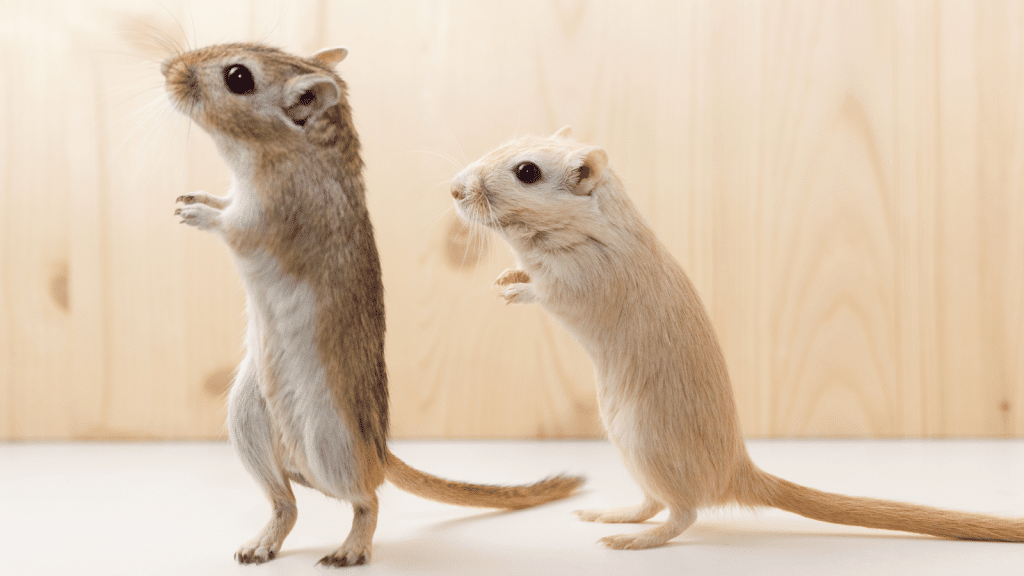
People often assume small pets are “easy,” low-stakes companions. They’re cute, quiet, and don’t demand much. I used to think that too. Strength seemed like something you built through big responsibilities or dramatic moments. But caring for these little creatures showed me that resilience grows in gentler places too. Sometimes what strengthens you isn’t intensity—but constancy.
The Internal Shift Happening Beneath the Surface
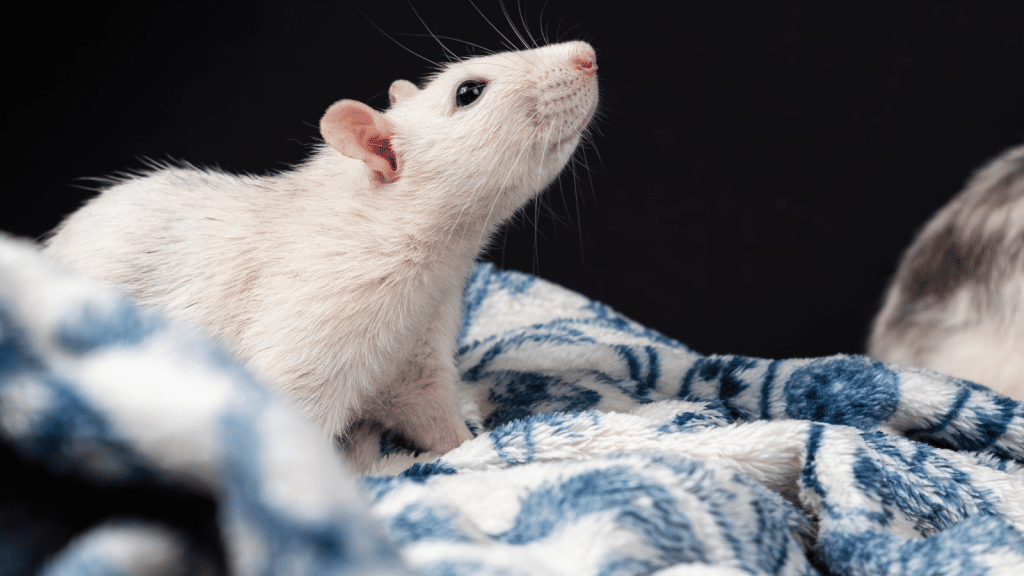
Over time, caring for something small creates a kind of “micro-mastery.” Every time your pet thrives because you fed them, cleaned their space, or simply gave them attention, something inside you shifts. I started noticing that when my pets were well, I felt more capable. It’s subtle, but real—like emotional muscle-building in miniature. Strength doesn’t always form through struggle; sometimes it forms through repetition.
Why This Matters More Than We Think

When life feels heavy, small pets offer something emotionally manageable. You give care, and they respond instantly—with comfort, trust, soft chirps, tiny hops. It creates a loop your nervous system remembers. I used to sit beside my rabbit’s pen after chaotic days just to listen to her gentle munching. That sound alone steadied me. Small care, small response, big effect.
The Framework Behind the Calm

Psychologists call this “manageable nurturing,” and it fits perfectly with what small pets provide. You’re responsible, but not overwhelmed. You show up, but it doesn’t drain you. Tending to these little beings feels like tending to a pocket-sized ecosystem—and it teaches you that you can be reliable even on days you don’t feel your best. That sense of gentle competency becomes a kind of emotional scaffolding.
A New Way to Interact With Your Tiny Companion
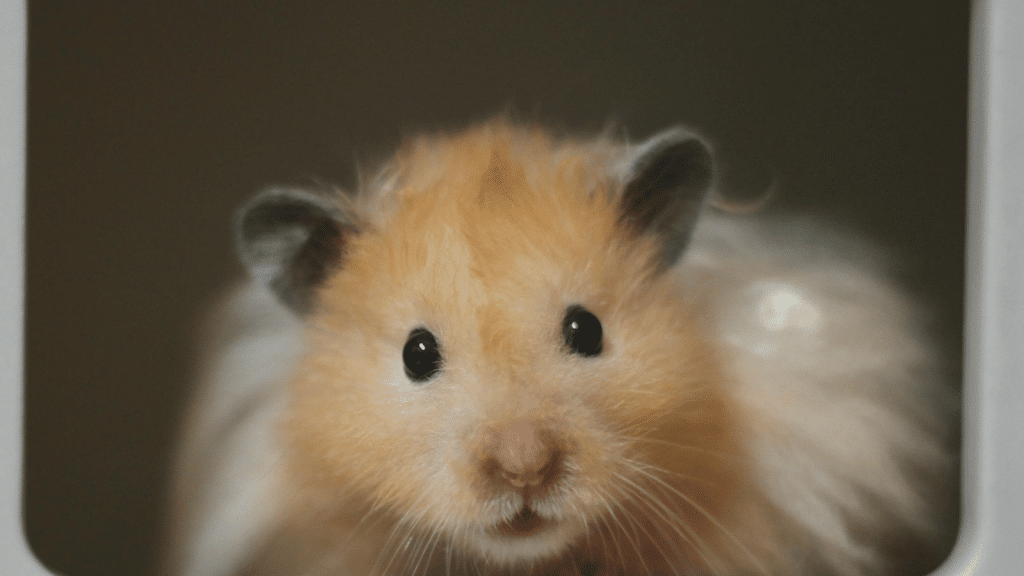
If you already have a small pet, try noticing the micro-moments: the way they freeze for a second when they hear your footsteps, the soft shuffle of bedding, the little routines they do when they think you aren’t looking. Those moments made me slow down in ways I didn’t expect. They remind you that showing up doesn’t have to be grand; it can be tender, quiet, and still deeply meaningful.
The Shift That Happens When You Truly Pay Attention

When I started paying attention to these details, I noticed a shift in myself. Stress felt less jagged. Decisions didn’t wobble as much. It was like carrying a tiny lighthouse in my pocket—small but steady, always glowing. These animals become mirrors, showing you your own steadiness reflected in their calm.
How This Reframes Our Understanding of Strength
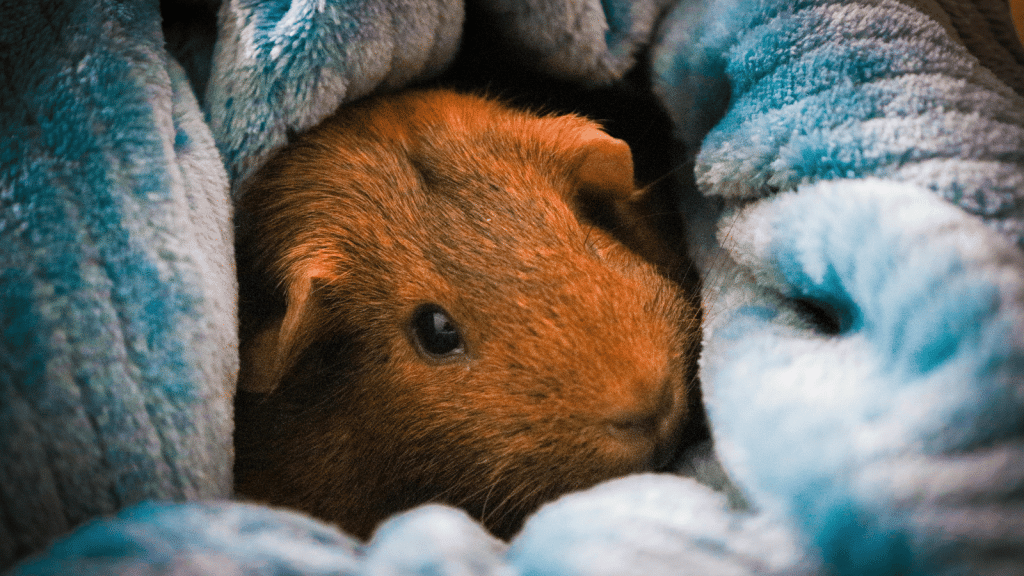
Small pets aren’t just cute; they’re grounding. Their size concentrates their impact rather than diminishing it. They teach you that strength doesn’t always roar—it can scurry, shuffle, and fit in the palm of your hand. And the emotional sturdiness built from caring for something tiny often spills into other parts of your life. It certainly did for me.
Closing Reflection

Maybe that’s the secret gift of small pets: they show you that gentleness can build resilience just as powerfully as hardship can. That softness and strength aren’t opposites—they’re allies. And sometimes, the tiniest creatures are the ones that help you feel the biggest version of yourself.


