
There was a time when you could walk into a café, hear the soft hum of strangers talking, and feel something settle in your chest. Not “belonging” in the dramatic sense, but belonging in the everyday way: familiar baristas, shared glances, the comfort of being around others without obligation. We didn’t call these spots anything special. They were just places we drifted to.
Now, those places are fading — corner bookstores replaced by vape shops, neighborhood bars turned into condos, libraries fighting budget cuts, parks squeezed by development. As these “third places” vanish, loneliness tightens its grip. For many of us, it feels like losing a part of our emotional ecosystem.
The Quiet Work Of Third Places

Third places are the environments where life unfolds when you’re not actively trying to manage it. Sociologist Ray Oldenburg described them as the neutral, welcoming spaces outside home and work where anyone can drift in. Cafés, libraries, park paths, barbershops, bookstores — places that don’t expect much from you.
These spaces seem small, but they perform a kind of emotional maintenance. They generate friendly nods, overheard conversations, and small talk that keeps us tied to the social world. Researchers who study community resilience say these micro-interactions build trust quietly but powerfully. When the places disappear, the easy relational glue they produce disappears too.
The Shrinking Map Of Everyday Gathering

Look at any neighborhood over the past decade and you’ll see the slow fade: the café that couldn’t survive rent hikes, the bookstore turned into luxury units, the diner replaced by a chain with no seats. Suburban areas struggle too, often designed around destinations instead of wanderings.
Mobility studies from the pandemic show our casual outings changed dramatically, and many of our old routines never returned. Some places simply weren’t there anymore. That shift matters more than we admit. Third places rely on steady foot traffic and repetitive presence. Remove the consistency, and they unravel.
Home And Work Swallow The Middle

Remote work folded large sections of life into one physical space. Without leaving home, there’s no natural pause in the day when you drift somewhere just because it’s on the way. The “middle” of daily life — the part where third places used to live — gets squeezed out.
Behavioral research on weak ties shows how much we rely on casual acquaintances for emotional steadiness. When life becomes a two-location circuit, those small interactions disappear. We start feeling lonely without quite understanding why.
The Digital Substitute That Isn’t

Digital tools keep us connected, but they don’t recreate the subtle signals of being in a shared physical space. Online interaction requires intention. Third places thrive on the opposite — the unplanned, the ambient, the social background noise you absorb without trying.
You can’t share silence on a screen. You can’t bump into someone you didn’t plan to see. You can’t replace the emotional texture of casual physical proximity. The digital world fills gaps, but it doesn’t create the soft, grounding presence of communal space.
The Economics That Push Community Out
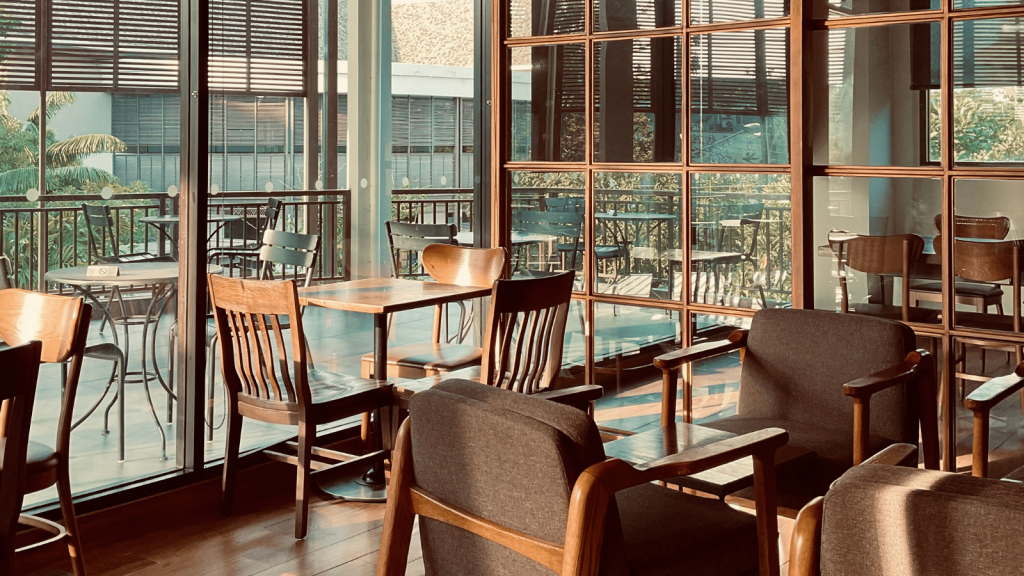
Independent third places run on thin margins, and rising rents make survival difficult. A café that used to break even needs to turn every seat multiple times. A bookstore that once served as a social refuge can no longer compete with high-demand commercial tenants.
Chain establishments often take over, but they rarely function as true third places. They’re optimized for transactions, not lingering. When community is treated as something that must produce revenue at every moment, the places that nurture it disappear.
Parks As The Last Refuge
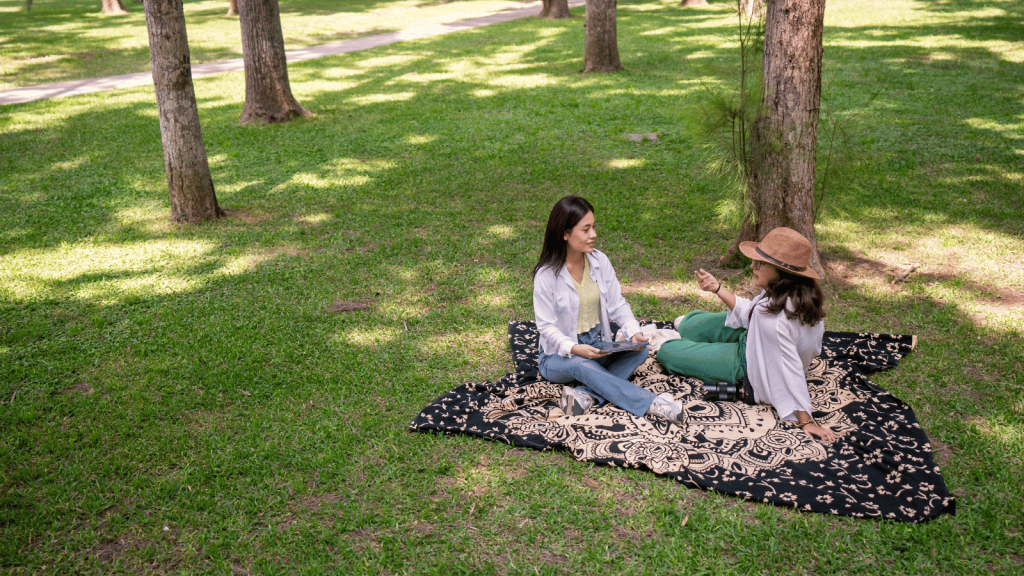
Parks have become some of the last remaining democratic third places. They are free, flexible, and open to everyone. Studies on public space show parks boost connection and reduce loneliness, especially for younger adults.
But access is uneven. Wealthier neighborhoods tend to have greener, safer, better-maintained spaces. In lower-income areas, parks may be scarce or underfunded. The geography of third places reflects broader social divides.
The Vanishing Shared Routine

Third places used to be anchored in routine — morning coffee, an after-work drink, the Saturday library trip. These rhythms created predictable encounters. Now many routines are fragmented. People work unpredictable hours, juggle multiple jobs, or socialize primarily online.
When habits break, the places that depended on them break too. And once a place loses its foot traffic, the habit can’t just reappear.
Teenagers And The Loss Of Safe Unsupervised Space

Third places once gave teenagers room to be themselves without strict oversight. After-school hangouts mattered. Research shows students with reliable third places are more likely to stay engaged academically and pursue college.
Today, many of those spaces have vanished. Malls have emptied. Loitering rules tightened. Affordable places to simply exist are rare. Teens turn to digital spaces because there are few physical ones left.
Older Adults And Erosion Of Social Lifelines
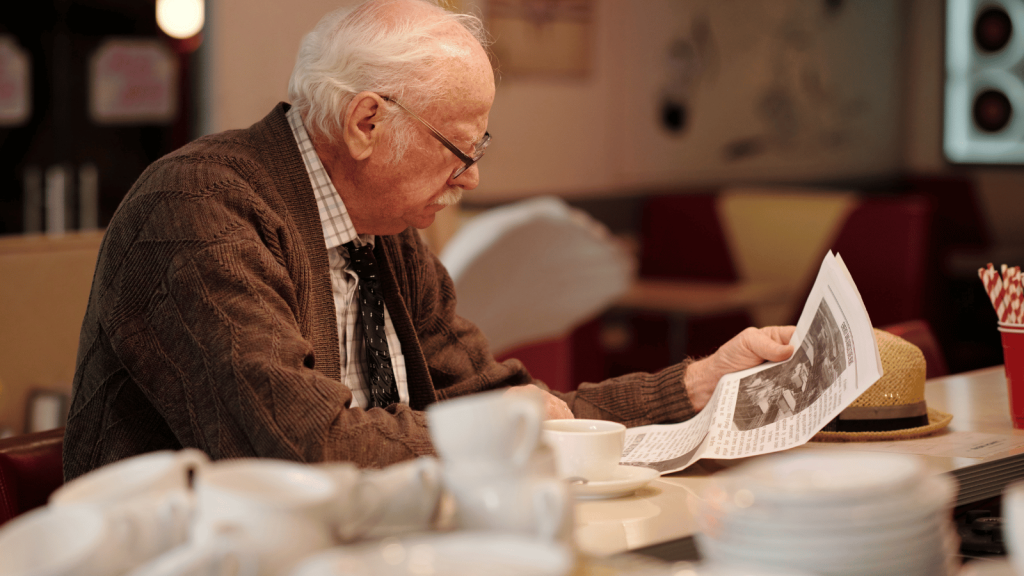
For older adults, third places reinforce daily structure after retirement. They offer regular encounters that stave off isolation. When these spaces close or shrink, older adults lose a crucial support system.
Loneliness among seniors has significant health impacts. Without third places, the day gets quieter in ways that are hard to repair.
Immigrants And Entry Points Into Community

For newcomers, third places act as low-pressure landing pads. They help with language practice, cultural learning, and casual observation of local norms. A good third place provides a gentle on-ramp into a community.
As these spaces disappear, newcomers lose opportunities for informal integration, often increasing feelings of isolation.
Libraries As Civic Third Places

Libraries remain some of the strongest public third places. They serve every generation and every socioeconomic group. Many have evolved into coworking spots, tech hubs, and community centers.
But funding cuts threaten their stability. When hours shrink or branches close, neighborhoods lose more than books — they lose an anchor of civic life.
The Rise Of The “Fourth Place”

New hybrid spaces blend work, leisure, and community. They cater to modern habits and offer updated versions of third-place features. But many require purchases or memberships, making accessibility uneven.
They’re promising, but they can’t fully replace the informal, low-pressure nature of traditional third places.
Car Dependence And The Death Of Serendipity
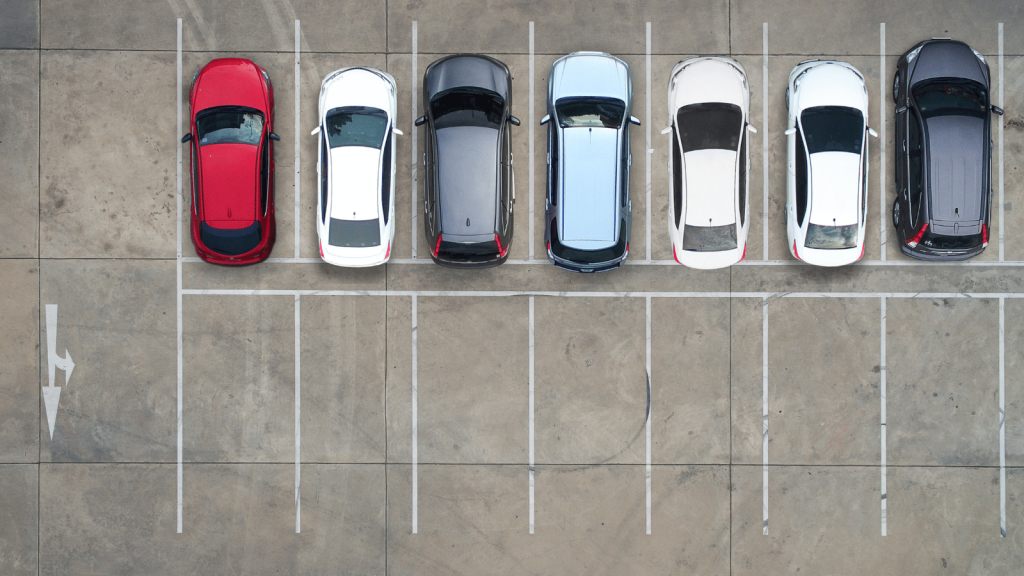
In car-centric environments, everything is a destination. You drive, park, go inside, leave. There’s no lingering. No chance to wander or run into someone you know.
Walkability studies show how much spontaneous connection depends on simply being on foot. Without that, third places feel less like part of daily life and more like errands.
Zoning That Separates People

Zoning laws often divide residential and commercial spaces, pushing third places far from where people live. Mixed-use areas, where you can easily walk from home to cafés and parks, support vibrant third-place culture.
Urban planners say revisiting these rules is one of the most effective ways to revive community life. Culture alone can’t compensate for poor design.
Weak Ties And Why They Matter

Weak ties are the acquaintances who quietly support your sense of belonging. They’re not close friends, but they’re meaningful — the barista, the person who walks their dog at the same time as you, the library volunteer who always recommends something new.
Third places nurture these ties. When they fade, our social networks shrink in ways that are easy to underestimate but hard to recover from.
The Loneliness Surge

Loneliness rates have climbed, especially among young adults. National time-use studies show people spend less time with friends now than previous generations did. Third-place decline intersects with this trend, reducing the casual opportunities that make connection effortless.
It’s not just that we’re hanging out less. It’s that the places designed to make hanging out possible have eroded.
Civic Life Without A Living Room
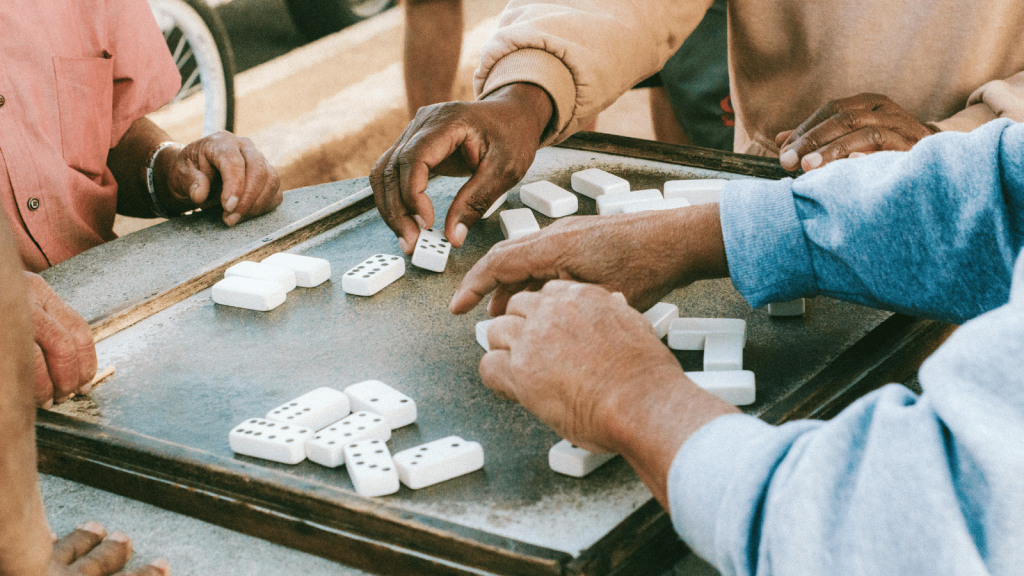
Third places sustain civic life. They host informal debate, local news exchange, and organizing. UNESCO calls them “true citizen spaces.” Without them, communities become quieter and less participatory.
Neighborhoods without third places often show lower civic engagement and trust. Democracy benefits from casual proximity; polarization thrives on isolation.
The Meaning We Made In Small Moments

Third places don’t demand much, but they give a lot. They’re where familiarity grows slowly, where routine feels comforting instead of dull, where you remember you live among other humans even on your most solitary days.
When these spaces vanish, it’s not nostalgia we feel — it’s the loss of a social structure that made everyday life feel steadier.
Imagining A Future With Third Places Again
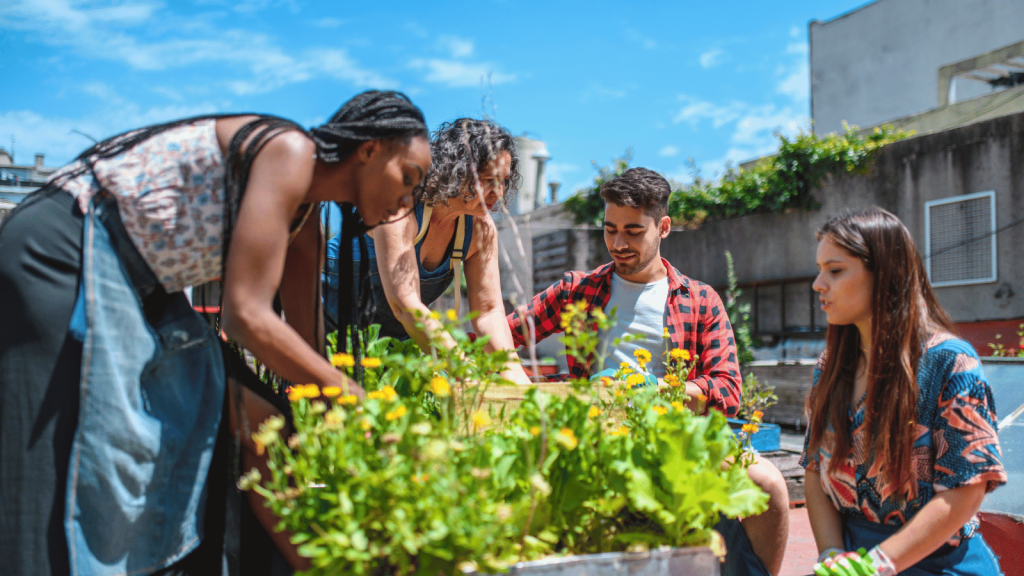
Cities and communities are experimenting with new versions of old ideas: redesigned parks, expanded libraries, community-owned cafés, small pedestrian zones, and flexible zoning rules that encourage mixed-use blocks.
Reviving third places takes intentional design and shared effort. But once they exist, people notice. They start showing up. They build habits again.
The Local Imagination Still Matters

The decline of third places isn’t inevitable. It’s the result of choices — economic, cultural, political, architectural. With different choices, these places can return. Even small interventions can shift the social atmosphere of a neighborhood.
Rebuilding third places is an act of optimism. It signals that everyday connection is worth protecting.


