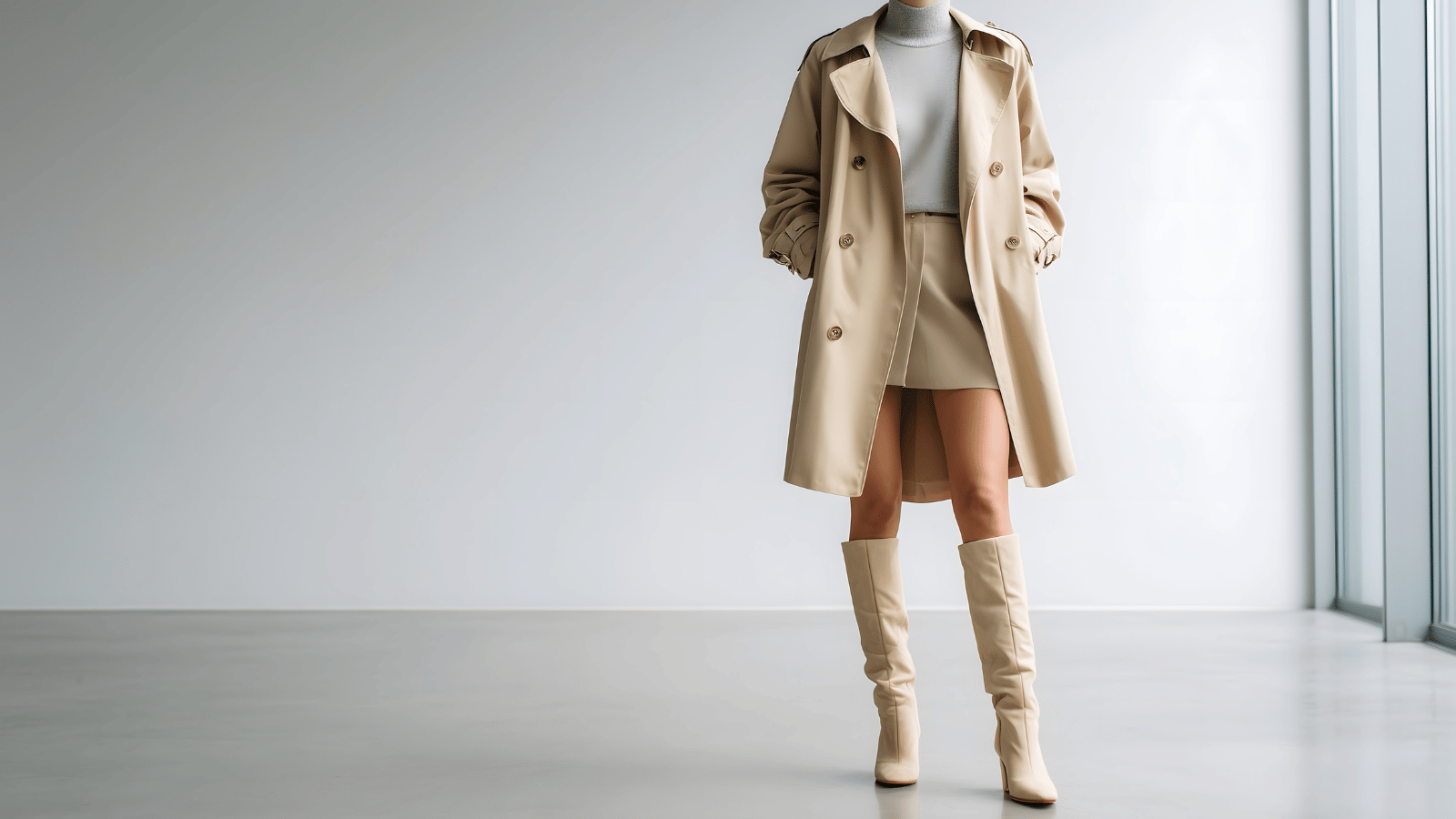
Every trend begins loud, sparkly, and convinced it will change everything. But give it enough time, and it dissolves into something softer, smoother, and suspiciously beige. It’s not just about color—it’s the cultural instinct to sand down edges until nothing feels risky. Beige is the moment we collectively sigh and say, “Okay, enough stimulation.” It’s the aesthetic aftertaste of a trend that’s been over-loved, over-copied, and overexposed. And buried inside that fade is a story about our collective exhaustion.
The Algorithm Loves Beige
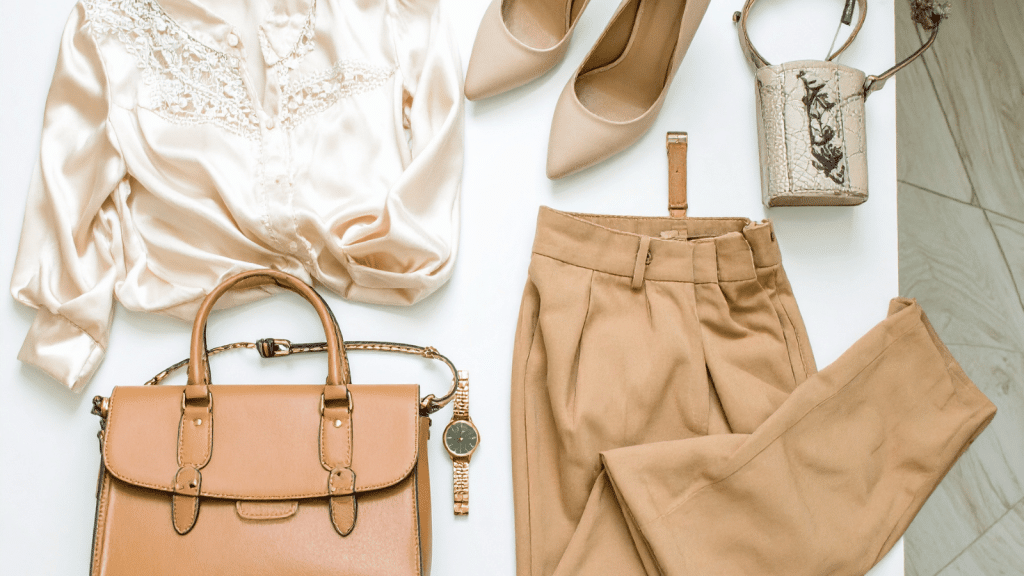
Algorithms reward what is most quickly recognizable, and beige is visual shorthand for “safe.” Once a trend hits virality, platforms start pushing its calmest, most universally palatable form. What begins as boldness becomes background décor in the feed. The more a trend spreads, the more the algorithm nudges it toward neutrality, smoothing out anything that might confuse or slow the scroll. Beige is what happens when the internet wants a trend to be endlessly repeatable.
People Get Tired Faster Than They Realize
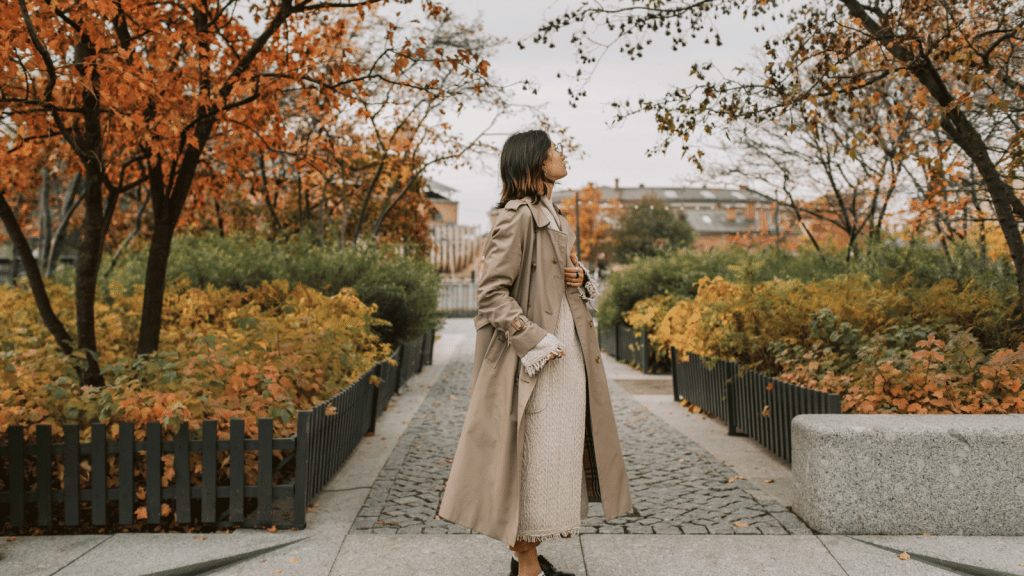
Trend fatigue is like sensory sunburn—you only notice it when you suddenly crave shade. The more saturated an aesthetic becomes, the more people retreat into neutrality to recover from the overwhelm. Beige becomes the cool, dim room after a carnival. It doesn’t feel stylish so much as merciful. When everyone is overexposed, a quiet palette becomes an emotional reset button, even if it wasn’t part of the original trend at all.
Sameness Is Cheaper to Produce
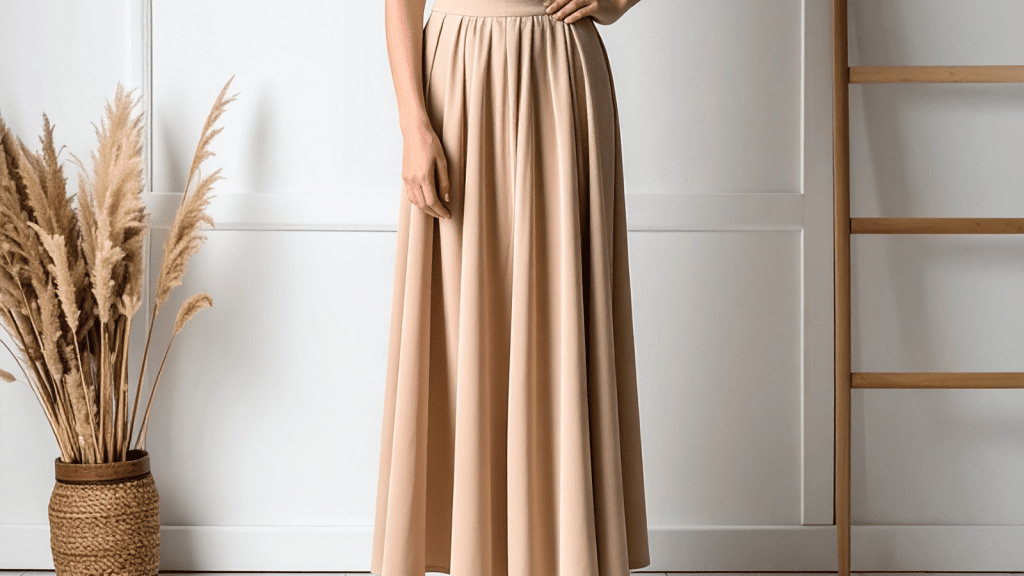
Once manufacturers get hold of a trend, they mass-produce the simplest, least expensive version. Bold colors and intricate shapes take effort; beige rectangles are universal. Consumer goods go through a kind of “economic sandpapering” as companies aim for maximum reach with minimum variation. What started as a quirky niche aesthetic becomes flattened into something that works for everyone—and therefore looks like it belongs nowhere in particular.
We Mistake Consensus for Good Taste
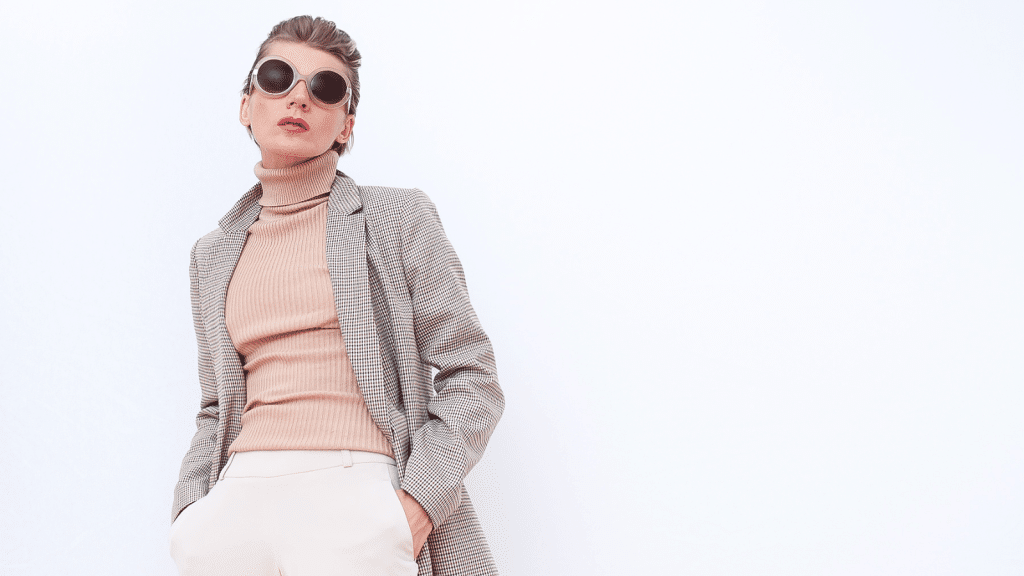
There’s a subtle psychological relief in liking what everyone else likes. When a trend becomes socially entrenched, choosing its most neutral expression feels like choosing correctly. Beige becomes a shield against being judged as “too much” or “trying too hard.” It’s the aesthetic equivalent of nodding along in a conversation you’re not sure you agree with—less about authenticity, more about avoiding risk. When taste becomes public performance, neutrality feels protective.
Maximalism Has a Short Emotional Half-Life
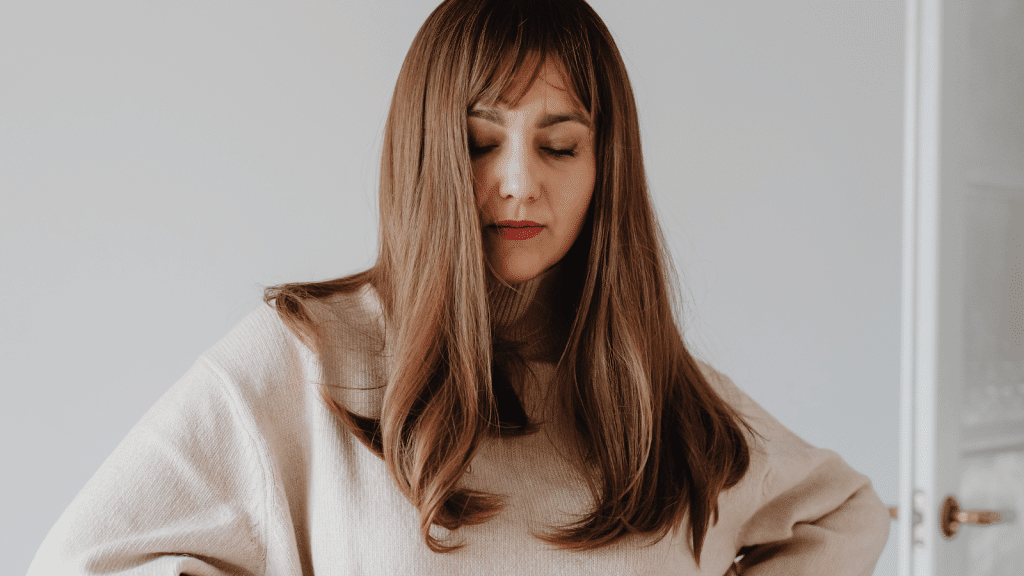
Bold trends feel thrilling when they’re new, like stepping into a room lit by neon signs. But living with that intensity every day is harder. Maximalist aesthetics burn bright and burn out, leaving people craving something gentler. Beige steps in like a soft blanket after a costume party—comforting, unshowy, and oddly reassuring. The emotional arc of a trend often moves from excitement to exhaustion to quiet minimalism, whether we mean it to or not.
Trends Need a “Landing Place”
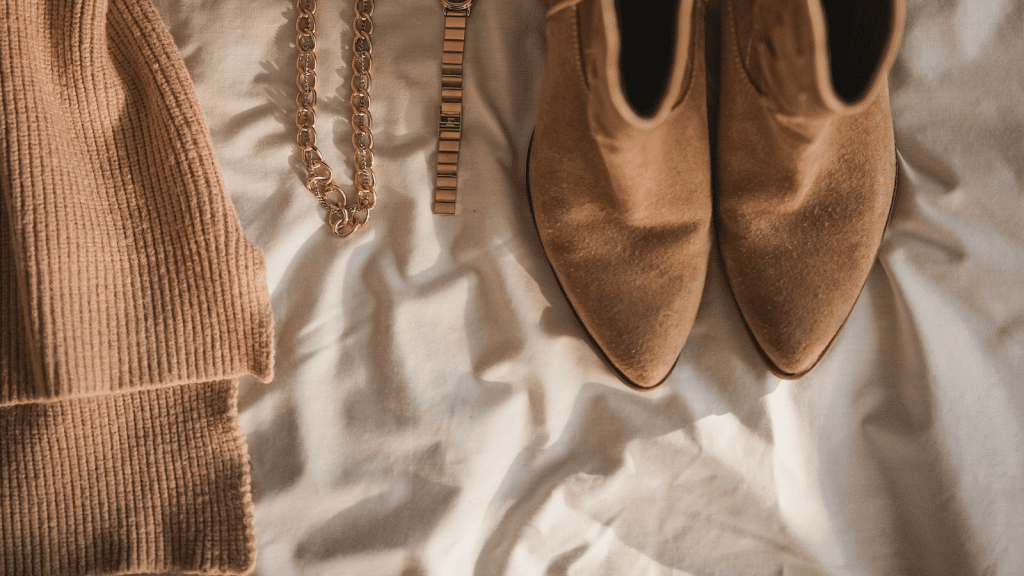
Every cultural wave has to land somewhere after its peak, and beige acts as the universal landing pad. It’s the visual compromise that lets a trend dissolve without fully disappearing. When the hype dies, people don’t want to be caught looking outdated, so they adopt the most timeless version. Beige is the aesthetic purgatory between “on trend” and “please don’t make fun of me.” It’s not the beginning of something new—it’s the end of trying.
The More a Trend Spreads, the Less Personality It Has
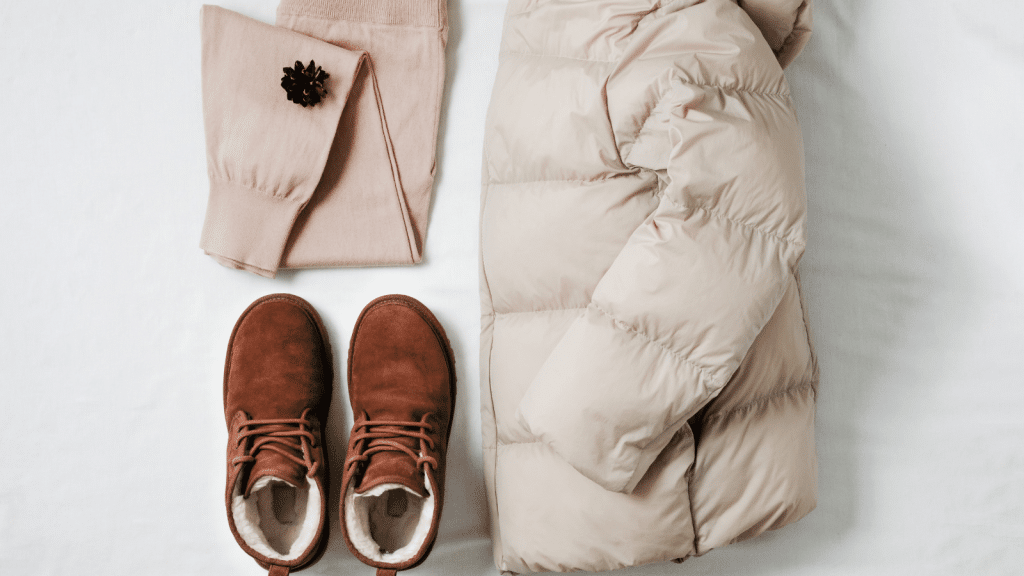
At the start, trends carry personality: a specific story, a specific mood. But as they diffuse through the culture, they become less about expression and more about fitting in. Beige is what’s left when a trend’s original emotion evaporates. It’s like hearing a song so many times it stops making you feel anything. Sameness sneaks in not because people are unoriginal, but because originality becomes watered down by sheer volume.
We Equate “Neutral” With “Grown-Up”

There’s a quiet cultural script that adulthood means toning things down. Bold aesthetics get coded as youthful, experimental, even unserious. So when a trend matures, it often gets translated into muted tones to signal sophistication. Beige becomes the distilled version of a once-playful idea, the way a quirky college wardrobe eventually turns into “investment basics.” It’s not that we lose imagination—just that culture tells us maturity should look muted.
Aesthetics Become Symbols, Then Lose Their Meaning
Once a trend becomes symbolic—of rebellion, of aspiration, of taste—it starts attracting people who want the symbolism more than the style. That influx dilutes the original intent, and the aesthetic gets simplified to its most digestible form. Beige is what remains after symbolism collapses under its own weight. It’s the husk of an idea that once meant something specific. When meaning evaporates, neutrality fills the space.
Beige Feels Like a Pause Button

In a world moving at notification speed, beige is less of a color and more of a coping strategy. It offers the illusion of stillness in a culture that rarely stops. The end of a trend isn’t just cultural fatigue—it’s emotional hunger for something that doesn’t demand attention. Beige becomes the blank page before the next idea arrives, a quiet inhale before the next aesthetic exhale. It’s our collective way of saying, “Let me rest for a minute.”
The Soft Ending of Every Aesthetic
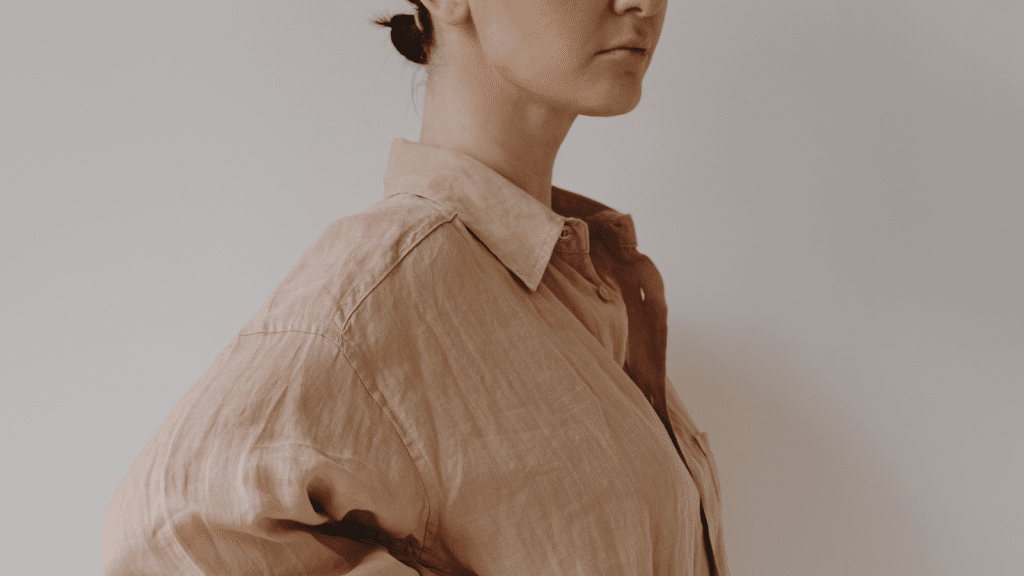
Maybe beige isn’t a failure of imagination but proof that we crave rhythm: the crescendo of newness, the climax of popularity, and the gentle fade into quiet. Every trend ends in beige not because we’re boring, but because we eventually want stillness after the spectacle. And in that soft, neutral space, we get to notice what we need next—something that feels real again, before the cycle inevitably begins anew.


