

Here’s a confession: I watch other people clean their houses, and I know you do too. Not because I’m planning to clean my own place right after (I mean, I might, but let’s not commit to anything), but because watching crumbs disappear and counters shine hits the same part of my brain that sighs when someone brushes my hair. It’s strangely intimate. Strangely calming. Like peeking into a quiet ritual someone else figured out before you.
Somewhere between the spray bottle mist and the slow fold of a towel, your nervous system unclenches. Suddenly, the world feels a little softer, like you’ve secretly cracked a code the rest of adult life tries to hide. These videos might look simple, but don’t be fooled. They’re doing deep emotional labor behind the scenes.
So let’s talk about why.
The Calm of Borrowed Order

Environmental psychologists have known this for years: visual clutter spikes cognitive load. Our brains work harder when we’re surrounded by mess. So when a cleaning creator pans across a chaotic bedroom and then slowly restores it, your brain experiences the soothing effect of order without requiring you to get up.
Kristi Phillips, a psychologist interviewed by Wired, says that reduced stimuli visibly lowers stress markers. Cleaning videos hijack that mechanism. They let you borrow someone else’s order for a minute and let your own internal noise settle.
The Rise of Comfort Cleaning
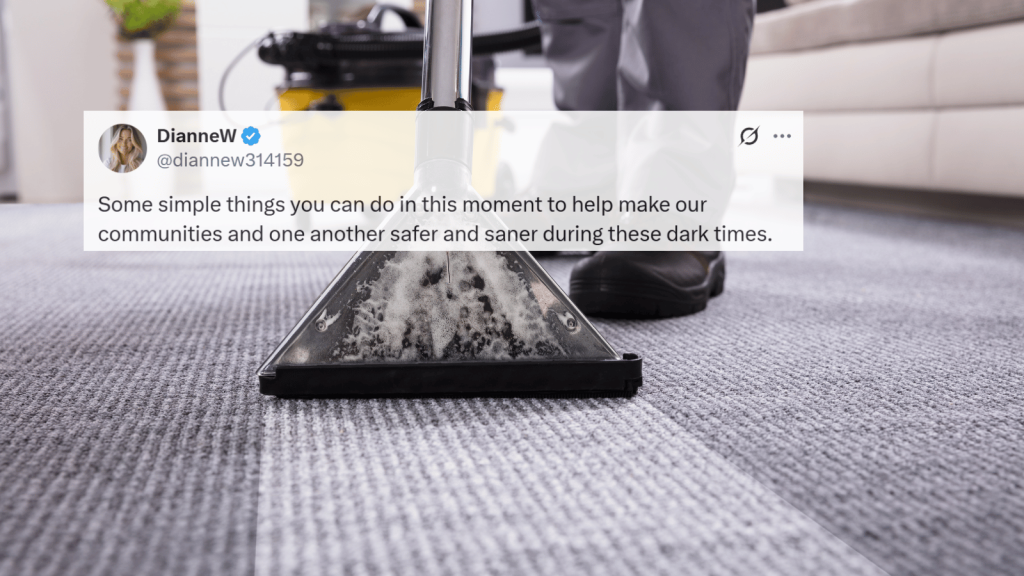
The pandemic reshaped our relationship with home. Suddenly we were working, eating, resting, spiraling, and doomscrolling in the same few rooms. It’s no wonder #CleanTok exploded. These clips offered a kind of emotional architecture: a beginning, a middle, and a reveal.
Researchers studying pandemic-era screen habits noted a surge in “process-based comfort content,” particularly where transformation was visible and achievable. A sink going from crusty to gleaming wasn’t just aesthetics. It was a tiny glimpse of life improving when everything else felt stuck.
The ASMR Effect
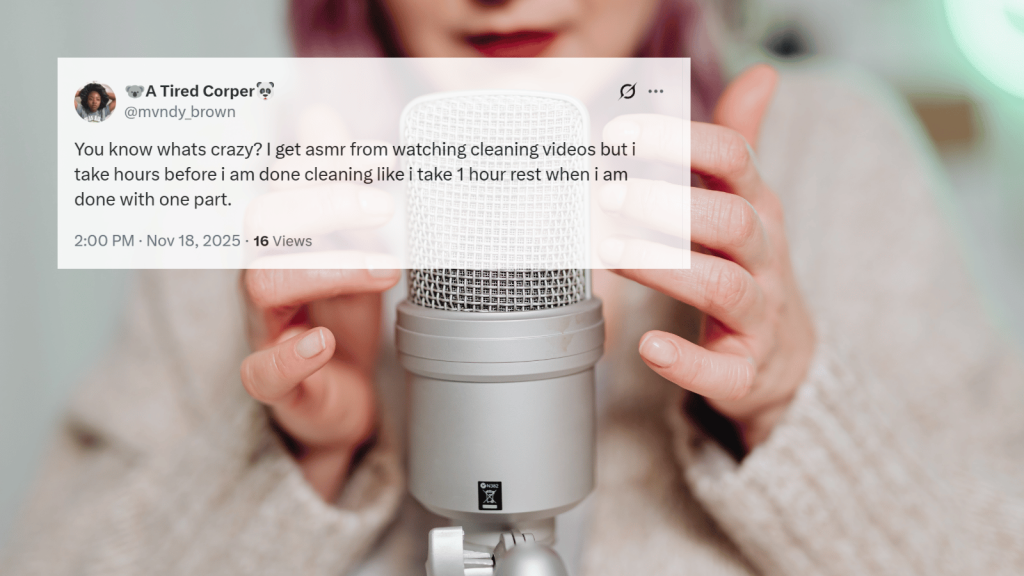
Cleaning videos accidentally tapped into one of the internet’s most powerful relaxation tools: ASMR. A large online survey found that ASMR sounds—soft scrubbing, sponge squeaks, the rhythmic clink of dishes—reliably lowered stress even in people who didn’t identify with the ASMR community.
Cleaning creators basically deliver a sensory massage: slow strokes, satisfying clicks, the hush of running water. It’s domestic work as lullaby. And your body, overworked and overstimulated, gratefully leans into it.
Why We Love Watching Other People Work
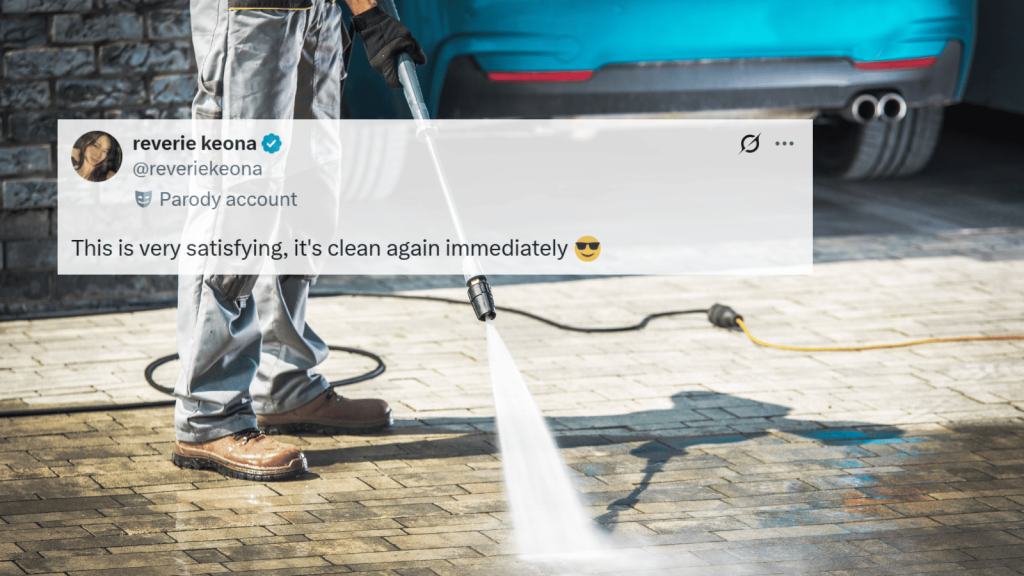
Behavioral science calls this vicarious completion: you get a dopamine hit just from watching someone else finish a task. Viewers in ADHD forums talk about this constantly. They describe feeling “mentally accomplished” after watching someone else deep-clean a fridge or fold a week’s worth of laundry.
It’s not cheating. It’s your brain quietly saying: “Something is done. You’re safe.”
Normalizing the Mess
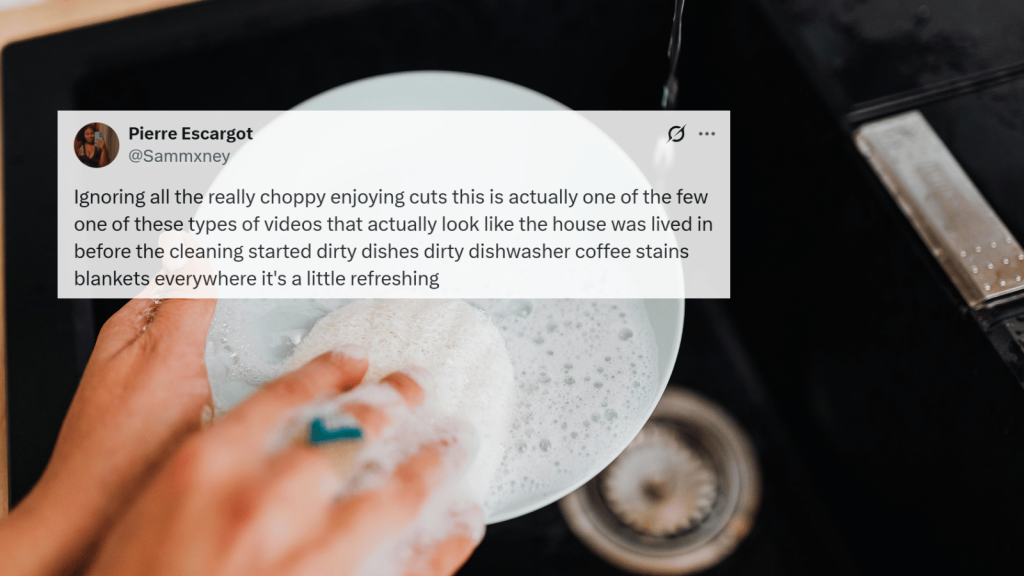
The most surprising part? Audiences aren’t addicted to the after. They’re attached to the before. Cleaning creators who show real mess—piles of laundry, dishes with regrets—get the most engagement. Mess makes the videos feel truthful.
Sociologists often talk about “performed domesticity,” where homes online look eerily perfect. Cleaning videos disrupt that. They tell you: your mess is normal. You’re not behind. You’re not the only one whose kitchen became a catch-all for the week’s emotional weather.
The Gendered Story Hiding Underneath
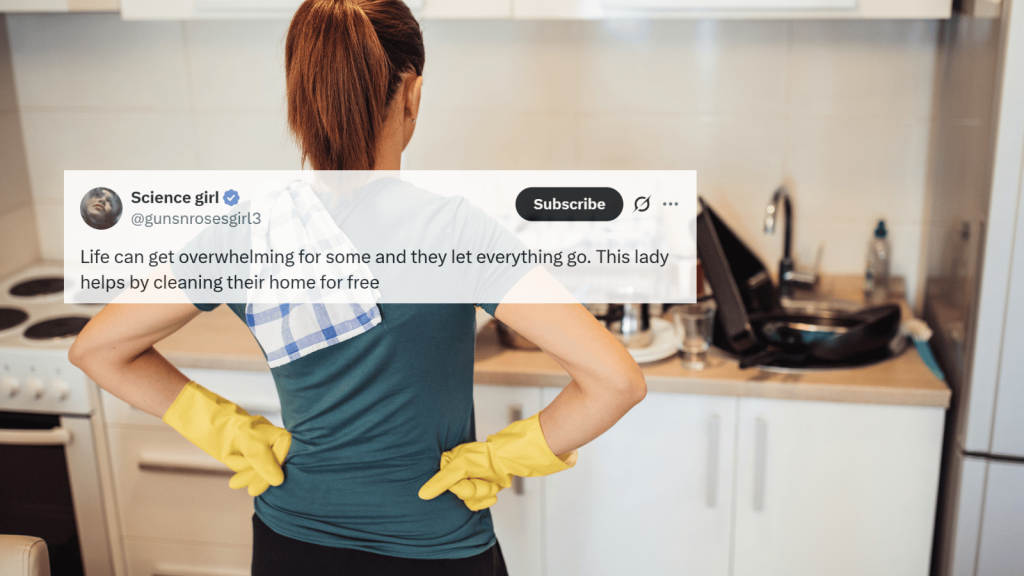
Many top cleaning creators are women documenting a type of labor that’s usually invisible. Their videos bring attention to work society quietly expects them to perform without recognition.
Cultural researchers describe this genre as “digital domestic visibility”—a way of making everyday labor seen and valued. It’s subtle but powerful. These women aren’t just cleaning. They’re reframing who gets to be centered in the story of home.
Community in the Comments
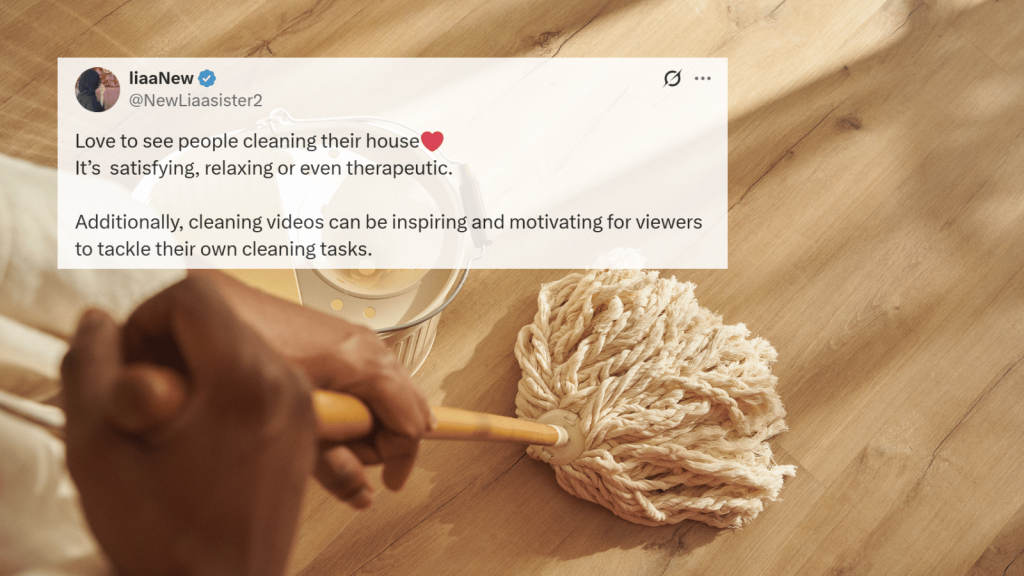
If you’ve ever read the comments on a cleaning video, you know they’re surprisingly wholesome. People don’t argue. They don’t spiral. They tell the creator, “I needed this” or “Your mess looks like mine” or “I finally cleaned my sink because of you.”
Social scientists studying parasocial spaces call this “low-stakes digital intimacy.” A sense that we’re all quietly rooting for each other while we attempt to keep life from burying us alive.
The Ritual of Watching
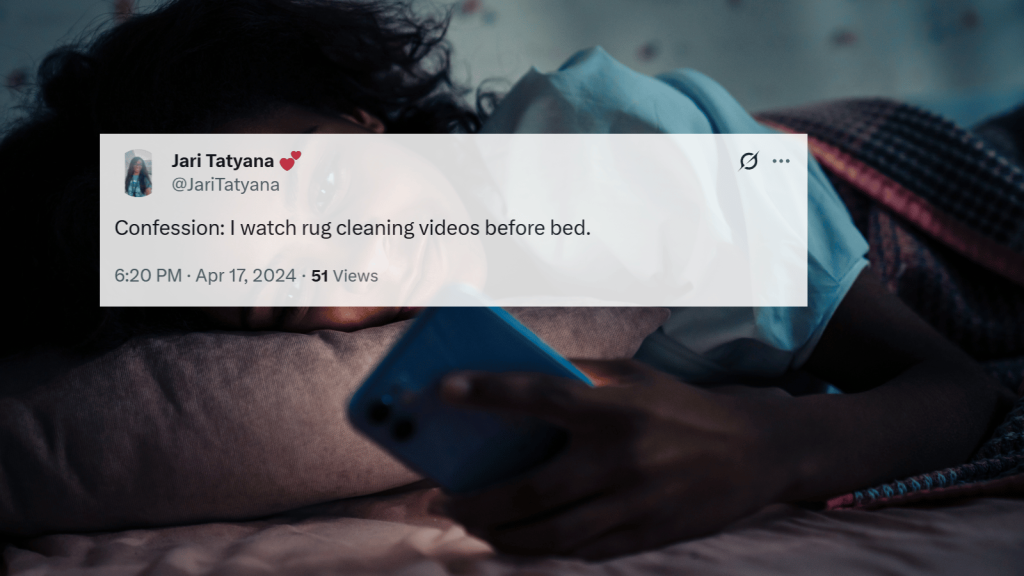
Over time, cleaning videos become a ritual. A pre-bed scroll. A lunch-break reset. An emotional palate cleanser after reading the news.
Rituals are regulating. They structure our days. Anthropologists call them “micro-anchors”—small repetitive acts that stabilize mood. Watching someone else fold towels becomes a tiny rope you can hold onto when your own day feels slippery.
The Aesthetic of Real Life
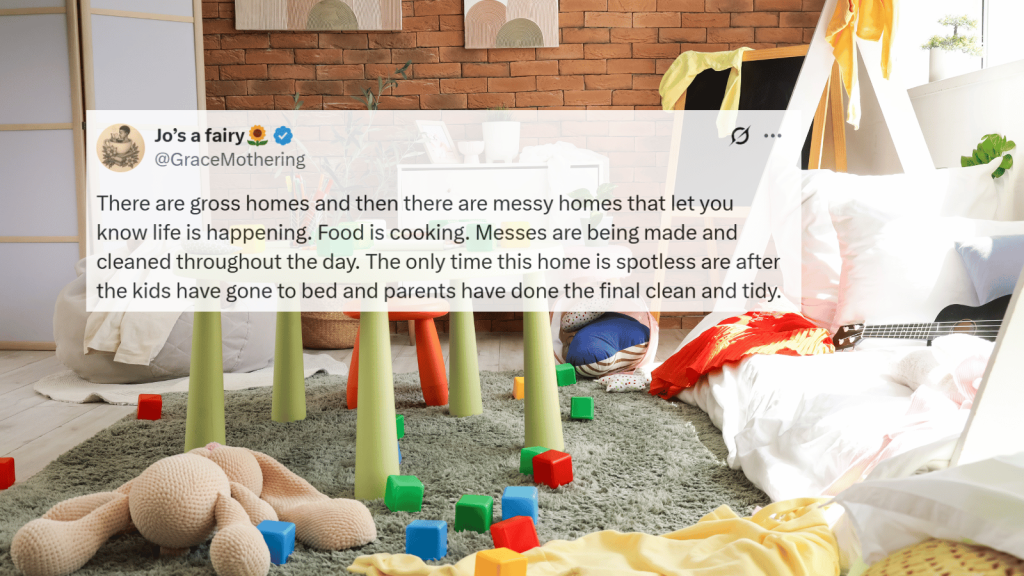
Unlike unrealistic home-tour content, cleaning videos linger on dust, crumbs, and smudges. They’re relatable in a way that highly stylized interiors never are.
Cultural critics argue this is part of the appeal: “aspirational authenticity.” We want comfort, not perfection. We want homes that look lived in. Cleaning videos capture that in motion.
The Micro-Narrative of Change

Every cleaning video is a pocket-sized transformation story. Humans love transformation—it’s one of our oldest narrative instincts. We’re hardwired to crave movement from chaos to clarity.
Even a 15-second time-lapse scratches that itch. It’s plot development for your nervous system.
The Soft Rebellion Against Overwhelm
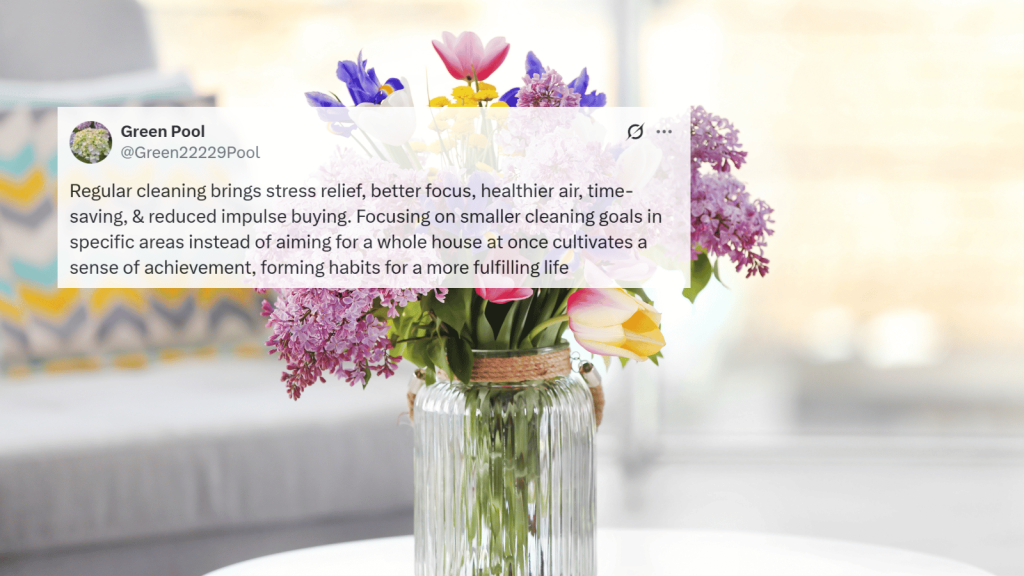
When everything feels too big, watching someone handle something small is a rebellion. A soft, quiet one. It says: big change doesn’t have to start big. Some days it starts with a sponge and a single plate.
Viewers report feeling calmer after watching cleaning videos not because anything in their world changed, but because the scale of change suddenly feels doable.
Inspiration Without Pressure
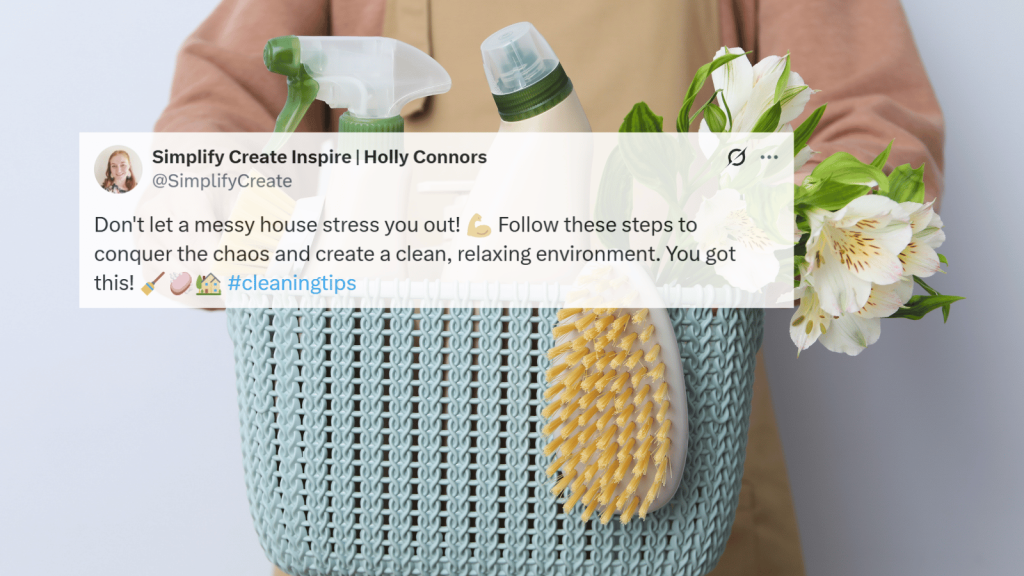
Plenty of people clean along with these videos, but the genre doesn’t push you. There’s no shaming. No performative grind-set energy. The tone is gentle: if you want to get up and do a quick tidy, go for it. If not, no judgment.
It’s productivity without punishment. A rare thing on the internet.
When Cleaning Becomes Self-Care

Studies on emotional regulation show that rhythmic, low-stakes tasks like wiping counters or organizing drawers activate a part of the brain associated with grounding. Many creators lean into this. They talk about cleaning as mood management, not aesthetics.
For viewers, watching that play out becomes a quiet reminder that care isn’t only about bubble baths and scented candles. Sometimes it’s about tending to the space that holds your tired self.
The Digital Hearth
Before televisions, families gathered around literal hearths—places of warmth, labor, and storytelling. Some sociologists call today’s screens our “psychological fireplaces.”
Cleaning videos flicker like tiny digital hearths. They provide the warmth of domestic ritual without demanding we participate.
Productivity Without Hustle

We live in a culture obsessed with optimization. Cleaning videos are the antidote. They show progress at a humane pace: slow wipes, one drawer, one shelf, one small win.
Researchers studying burnout say people crave “visible but manageable progress.” Cleaning videos deliver exactly that—gentle movement instead of relentless grind.
The Allure of Small Fixes
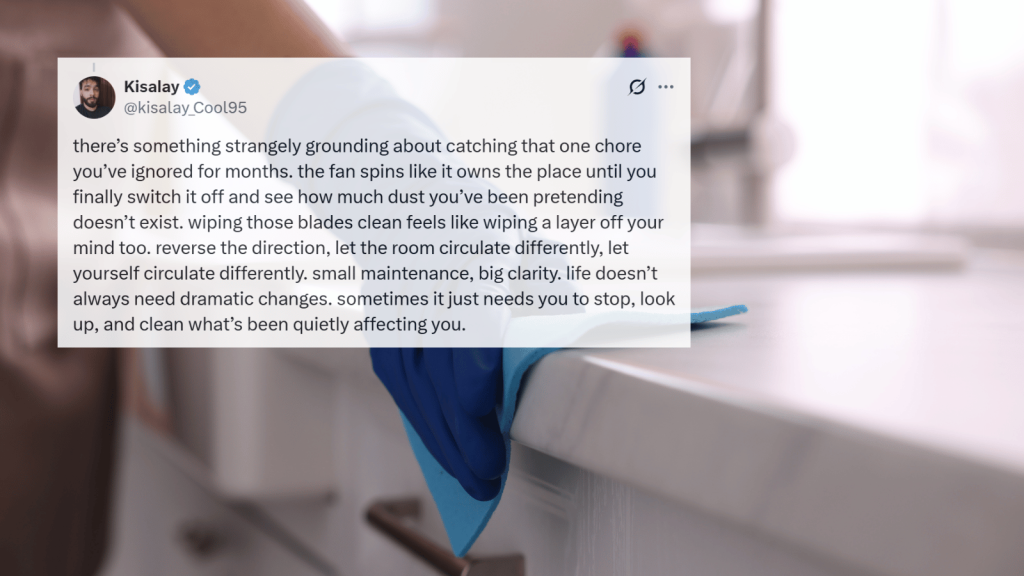
One of the reasons these videos are so soothing is because they shrink decision-making. You can watch an entire kitchen reset in under a minute. And suddenly the idea of wiping one counter doesn’t feel impossible.
This is something psychologists call “scaffolding.” A big task becomes digestible when broken into obvious, watchable steps.
Familiar Motion, Familiar Ease
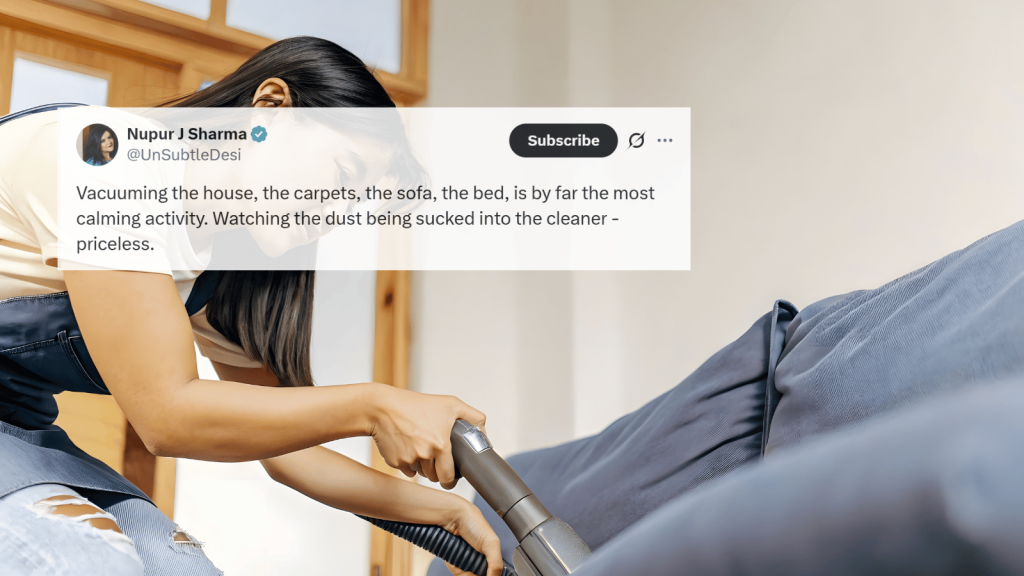
Our brains adore repetition. Sweeping, scrubbing, wiping—these motions have shown up in human life for thousands of years. They’re practically baked into our nervous systems.
Some researchers suggest that repetitive household labor may trigger a mild meditative state. Watching someone else do it lets your brain mimic the effect.
A Pause From Your Own Expectations
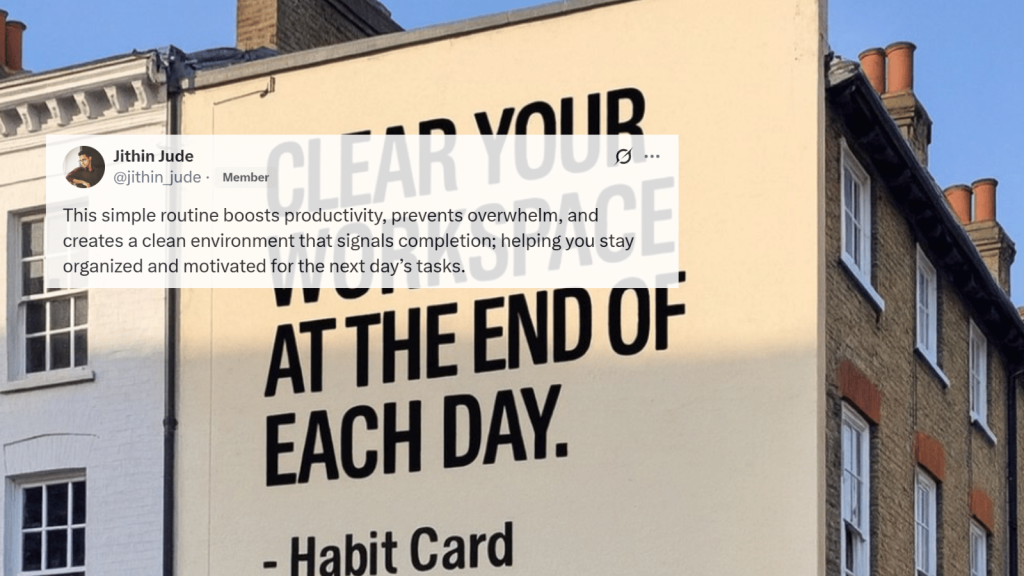
Not cleaning your own space while watching someone else clean theirs is oddly comforting. For once, you’re not the responsible party. You’re not failing. You’re not behind.
The pressure lifts. The task belongs to someone else. Your only job is to witness, and sometimes that is enough.
The Soft Invitation to Begin

And then, at the end, something unexpected happens: the videos extend a tiny invitation. Not a command. Not a challenge. Just a quiet possibility that you could start too—if you want.
In behavioral science, this is called a “nudge.” A soft influence. Gentle momentum. It doesn’t shame you into action; it simply opens the door.u get the psychological reward without the physical effort. It’s productivity—but cozy, not punishing.


